
In a world of relentless demands and constant stimuli, finding inner calm and clarity often feels like an elusive quest. Yet, within each of us lies an innate capacity for presence – a profound ability to engage fully with the here and now. This is not mystical; it is a practical skill, honed through deliberate effort and consistent application of mindful living practices. These practices are not about escaping reality or achieving perpetual bliss, but about engaging with life more fully, with open eyes and a gentle heart. True well-being stems from our relationship with the present moment, however it unfolds.
Mindful living practices offer a comprehensive framework for navigating life’s complexities with greater ease, wisdom, and compassion. They invite us to step off autopilot, to observe thoughts, emotions, and sensations without judgment, and to respond with intention rather than reaction. This journey is about consistent, gentle redirection back to the present, building a foundation of awareness that supports a more deliberate, fulfilling, and authentic existence. Our aim is to provide practical, actionable insights, free from jargon, guiding you towards a sustained practice of mindful living that genuinely enriches your life.
Understanding Mindful Living: Beyond the Buzzword
Before exploring specific mindful living practices, it’s crucial to understand what mindful living truly entails. Often, “mindfulness” is conflated with meditation or presented as a quick fix. While meditation is a powerful tool, mindful living is more accurately a way of being – a quality of conscious awareness brought to any activity, thought, or sensation. It is the practice of paying attention, on purpose, to the present moment, non-judgmentally. This definition, popularized by Jon Kabat-Zinn, underscores intentional attention and non-judgmental observation.
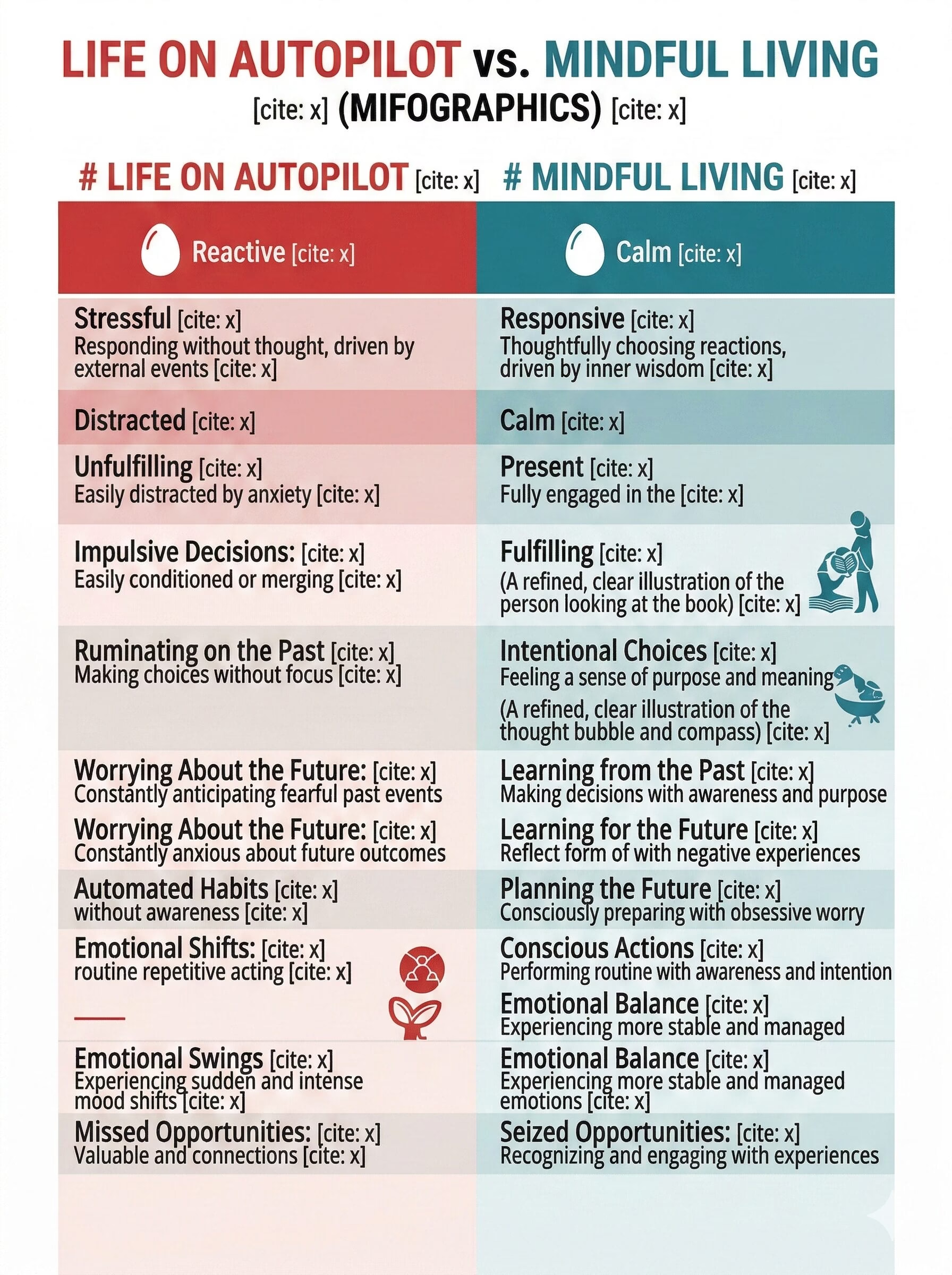
Think of it as awakening from automatic reactions and unconscious patterns. Most of our lives are spent on autopilot, driven by habits, conditioned responses, and a constant stream of thoughts about the past or future. Mindful living practices gently nudge us out of this automatic mode, inviting us to truly experience life as it unfolds, moment by moment. It’s not about emptying the mind, but about changing our relationship with thoughts, observing them as transient mental events rather than identifying with them. This subtle shift is profoundly liberating, creating space between stimulus and response, allowing us to choose actions with greater wisdom.
The Core Principles of Mindful Living
At the heart of mindful living are several foundational principles, not rigid rules, but attitudes we cultivate to deepen our awareness and engagement with life.
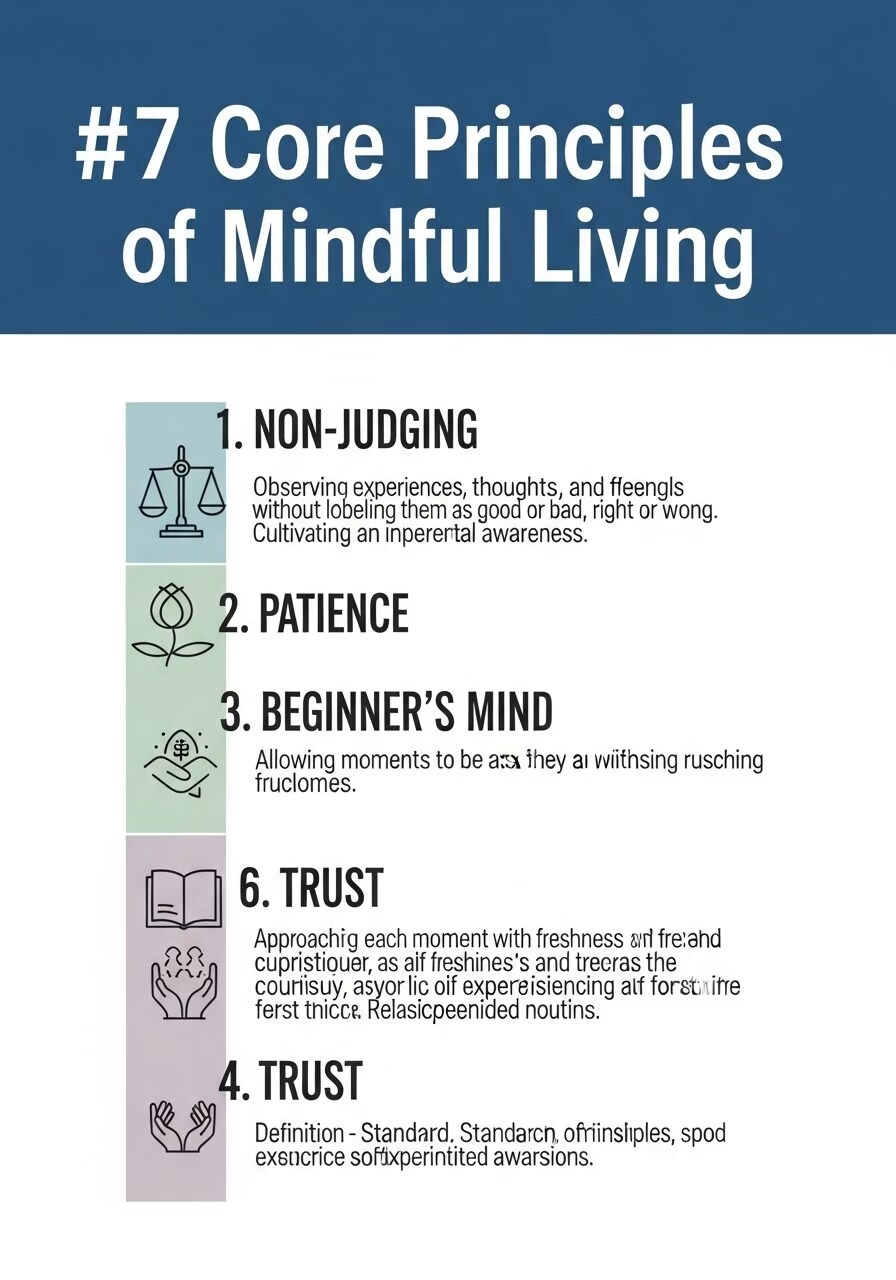
- Non-Judging: Observing experiences—thoughts, emotions, sensations—without labeling them good or bad. Acknowledging what is present without self-criticism.
- Patience: Mindful living is a journey. Cultivating presence takes time, consistency, and a willingness to meet ourselves where we are. Trust the process of growth.
- Beginner’s Mind: Approaching each moment with curiosity and openness, as if experiencing it for the first time. Dropping preconceived notions to discover new perspectives.
- Trust: Trusting our own innate wisdom and capacity for growth. Believing in our ability to navigate challenges with awareness and resilience, and trusting the mindfulness process.
- Non-Striving: Letting go of the need to achieve a particular outcome or state during practice. The goal is simply to be present, not to “get somewhere.”
- Acceptance: Acknowledging and embracing reality as it is, in the present moment, without resistance. An active choice to meet what is present without fighting it.
- Letting Go: Releasing attachment to thoughts, emotions, and sensations as they arise. Observing the transient nature of all phenomena, fostering freedom.
These core principles form the bedrock for effective mindful living practices. They are invitations to a different way of relating to ourselves and the world. By consciously cultivating these attitudes, we unravel old patterns of reactivity and foster a more grounded, responsive, and compassionate way of being. Embracing these principles allows for deeper, more authentic engagement with life, making the journey of mindful living transformative. This foundational understanding sets the stage for exploring specific techniques that bring these principles into tangible daily experiences.
Cultivating Presence: Foundational Mindful Living Practices
With a clear understanding of mindful living, we turn to practical techniques for anchoring awareness in the present moment. These foundational mindful living practices are building blocks for an expansive mindful life, offering direct experience of presence and inner calm. Their universality means anyone can engage with them to deepen connection to self and surroundings.


The breath is the primary anchor for mindfulness—always present, always changing, intimately connected to our states. Consciously observing the breath, without controlling it, powerfully brings attention back to the here and now, interrupting mental chatter. This simple act is profoundly grounding, providing an immediate pathway to presence. Regular breath-focused practices strengthen sustained attention and non-judgmental awareness, making it a cornerstone of effective mindful living practices.
Mindful Breathing Techniques for Daily Life
Incorporating mindful breathing into your routine doesn’t require hours. Even a few moments make a difference.
- The 3-Breath Reset: When stressed or distracted, take three conscious breaths. Inhale awareness, exhale tension. Inhale presence, exhale softness. Inhale calm, exhale simply being. Quick and effective anywhere.
- Anchor Breath: Choose a body point where you feel the breath most vividly (nostrils, chest, abdomen). Gently direct attention there. When the mind wanders, kindly guide it back to the breath sensations. This builds mental focus.
- Breath Counting: To steady a busy mind, count breaths from one to ten, then restart. If you lose count, gently begin again from one. Counting provides enough engagement to keep the mind present with the breath.
Consistent practice of these mindful breathing techniques trains the mind to be more present and less reactive. They aim not to stop thoughts, but to change your relationship with them, creating spaciousness for clarity and peace. As you integrate these, your capacity for mindful living expands, offering a reliable refuge from mental noise.
Body Scan Meditation for Grounding
Beyond breath, the body itself is a powerful entry point. The body scan meditation systematically brings awareness to different body parts, noticing sensations without judgment. It reconnects you with your physical form, often overlooked, and is profoundly grounding.
How to Perform a Body Scan:
- Find a Comfortable Position: Lie down or sit upright. Gently close or soften your gaze.
- Begin with the Breath: Take a few deep breaths, settling into the moment. Notice your body supported.
- Scan Your Feet: Gently bring attention to toes, soles, heels, ankles. Notice sensations – warmth, tingling, pressure – without changing them.
- Move Upwards: Slowly move awareness up through legs, knees, thighs, hips, pelvis. Explore sensations in each area.
- Continue Through the Torso: Attention to abdomen, lower back, chest, upper back. Notice breath’s rise and fall, clothing on skin.
- Arms and Hands: Extend awareness down arms, through elbows, forearms, wrists, hands, fingers. Feel subtle energy or stillness.
- Neck and Head: Bring attention to neck, throat, jaw, face, top of head. Notice tension; invite gentle release.
- Whole Body Awareness: Rest awareness on your entire body, breathing naturally, feeling interconnectedness.
- Gentle Return: When ready, slowly return attention to surroundings, open eyes, carrying grounded awareness into your next activity.
The body scan reduces stress, improves body awareness, and cultivates presence. It teaches us to inhabit our bodies fully. Regular engagement with this mindful living practice enhances your ability to stay grounded and centered, providing a valuable tool for self-regulation and inner peace. These foundational practices are invitations to rediscover the richness of each moment, fostering a more deliberate and engaged relationship with life.
Integrating Mindfulness: Practical Applications in Everyday Routines
While formal practices are invaluable, the true power of mindful living practices lies in their integration into daily life. Mindfulness is a quality of awareness we cultivate for every moment, transforming mundane tasks into opportunities for presence. The goal is to bridge structured practice with everyday experience, allowing mindfulness to permeate all aspects of existence. This shift from “doing” mindfulness to “being” mindful fosters profound, lasting change, making our lives richer and more intentional.
Many daily routines—eating, walking, communicating—are often performed on autopilot. By consciously bringing attention to these activities, we enhance our experience and strengthen our mindfulness muscle. This deliberate engagement transforms routine into ritual, imbuing ordinary moments with extraordinary presence. It teaches us that every moment holds potential for mindful engagement, regardless of its perceived importance, creating a continuous thread of awareness throughout our day.
Mindful Eating: Savoring Each Morsel
Eating is fundamental, yet often rushed and distracted. Mindful eating is an accessible and rewarding mindful living practice. It involves bringing full attention to the experience—sights, smells, textures, tastes—and to the body’s hunger and fullness signals. This practice enhances enjoyment, leads to healthier eating habits, and fosters a harmonious relationship with food.
Steps for Mindful Eating:
- Pause Before Eating: Take a moment to pause. Look at your food, notice its colors, shapes, textures. Appreciate its journey. Take a conscious breath.
- Engage Your Senses: Notice aroma. As you chew, pay attention to texture, evolving flavors. Listen to chewing sounds.
- Slow Down: Eat slowly. Put your fork down between bites. Allow your body time to register fullness.
- Notice Body Signals: Pay attention to hunger and satiety. Are you truly hungry? When do you feel comfortably full?
- Observe Thoughts and Feelings: Notice any judgments or emotions. Are you rushing due to stress? Simply observe without judgment.
- Chew Thoroughly: Chew completely before swallowing. Aids digestion and allows fuller taste experience.
Transforming eating into a mindful act nourishes our bodies and cultivates deeper presence. This mindful living practice extends beyond the meal, influencing our relationship with food and overall well-being. It’s a powerful reminder that even basic necessities can become opportunities for profound presence and self-awareness. This deliberate approach to daily activities builds a strong foundation for a sustained mindful lifestyle.
Navigating Challenges: Mindful Responses to Stress and Emotion
Life inevitably presents challenges, stressors, and difficult emotions. Mindful living practices don’t eliminate these, but fundamentally change our relationship with them. Instead of reacting impulsively, mindfulness equips us to meet these moments with greater awareness, equanimity, and wisdom. This shift from reaction to response is a cornerstone of emotional resilience, vital for navigating life’s ups and downs. It allows us to observe the storm without being swept away, fostering inner stability.
When strong emotions or stressful situations arise, our conditioned response often involves fighting or escaping. Mindful living practices offer a third way: acknowledging what is present, allowing it to be, and then choosing a wise response. This doesn’t mean passively accepting harmful situations, but accepting the reality of our internal experience as a prerequisite for effective action. This conscious engagement with our inner landscape is a powerful form of self-care and empowerment.
Responding to Difficult Emotions with Awareness
One of the most transformative mindful living practices is skillfully navigating difficult emotions. Instead of suppressing or being consumed, we can observe them with curious detachment, allowing them to move through us without lasting disruption. The RAIN practice is a powerful tool for emotional processing:
- Recognize: Simply recognize what is happening. “I am feeling anger,” “This is sadness.” Name the emotion without judgment, creating space.
- Allow: Let the emotion be there, just as it is, without trying to push it away. Drop resistance. “I allow this feeling to be here.”
- Investigate: With gentle curiosity, explore the emotion. Where do you feel it in your body? What are its qualities? What thoughts accompany it? Approach with kindness.
- Nurture: Offer yourself kindness and understanding. What do you need? A gentle hand on your heart, a soothing breath, a silent affirmation like “May I be kind to myself.” This transforms suffering into self-care.
The RAIN practice profoundly applies mindful living practices to our inner world. It teaches that emotions are transient visitors. Engaging with them compassionately reduces their power, cultivating inner freedom and resilience. This approach extends to stress: recognizing sensations, allowing them, investigating origins, and nurturing ourselves through the experience. This mindful approach to challenges strengthens inner resources and fosters a more peaceful inner environment.
Building Resilience: Long-Term Benefits of Mindful Living Practices
Consistent mindful living practices yield a wealth of benefits beyond momentary calm. Over time, they cultivate profound changes in our brain, emotional landscape, and capacity to navigate life with grace. The accumulated effect is increased personal resilience – the ability to bounce back from adversity, adapt to change, and maintain well-being under stress. This resilience develops inner fortitude to process pain skillfully and emerge with greater wisdom.
A well-documented benefit is significant reduction in stress and anxiety. By observing thoughts and emotions non-judgmentally, we interrupt rumination and worry. We distinguish between genuine threats and imagined fears, allowing our nervous system to calm more readily. This leads to improved emotional regulation, enabling chosen responses over automatic reactions. Mindful living practices also enhance cognitive functions like attention span, focus, working memory, and decision-making, invaluable in personal and professional spheres.
Beyond mental and emotional benefits, these practices contribute to enhanced physical well-being. Reduced stress links to a stronger immune system, better sleep, and improved chronic pain management. Body awareness fosters healthier lifestyle choices and greater vitality. This holistic approach recognizes the interconnectedness of mind, body, and spirit. Mindful living is an investment in a healthier, more balanced, and resilient self, equipping us to thrive, not just survive, in an ever-changing world.
Beyond the Cushion: Expanding Mindful Living into Relationships and Work
Mindful living practices are not confined to quiet contemplation; their transformative potential extends into our interactions and professional endeavors. Applying mindfulness in these domains enhances connection, clarity, and productivity, fostering harmonious engagement with the world. This expansion of awareness from self to external environment is a natural progression of mindful living.
In relationships, mindful communication involves truly listening without judgment, being fully present, and responding thoughtfully. This means paying attention to verbal and non-verbal cues, noticing internal responses, and choosing clear, kind, constructive words. Empathy and active listening deepen connections and reduce misunderstandings. Mindful living practices encourage seeing others with a beginner’s mind, fostering genuine connection. In the workplace, mindfulness improves focus and efficiency by reducing distractions and enhancing problem-solving. Mindful breaks reset the mind, improving concentration. Mindful leadership cultivates psychological safety, clear communication, and empathetic understanding, leading to cohesive teams. Integrating mindful living into these crucial areas demonstrates its versatility and profound impact on well-being and effectiveness.
Sustaining Your Journey: Maintaining Consistent Mindful Living Practices
The path of mindful living is a lifelong journey of gentle cultivation. Establishing consistent mindful living practices is key to reaping profound and lasting benefits, integrating seamlessly into your life. The emphasis is on gentle persistence and self-compassion, understanding that lapses are part of the process, not failures.
Start small and build gradually. Commit to five or ten minutes daily, linking practices to existing routines: a mindful breath before email, gratitude before coffee, a body scan before sleep. Consistency, even in small doses, is more impactful than sporadic long sessions. Seek supportive communities or resources for encouragement and new perspectives. Remember that mindful living is about progress, not perfection. Meet restless days or forgotten practices with kindness, gently redirect your attention, and begin again. This compassionate approach fosters resilience and deeper self-acceptance.
Conclusion: Embracing a Life of Deliberate Presence
Mindful living practices offer a profound invitation: to step fully into the richness of each present moment, to meet life’s challenges with wisdom, and to cultivate a deep well of inner peace. From foundational breath awareness to mindful eating and compassionate communication, these practices provide tangible tools for transforming our relationship with ourselves and the world. When consistently applied, they lead to greater clarity, resilience, and genuine well-being. By choosing to live with deliberate presence, we unlock our innate capacity for joy, connection, and a truly meaningful existence. The journey begins now, with a single conscious breath, a single moment of awareness, opening the door to a life lived fully awake.