
Spiritual journaling is one of the simplest ways to slow down and reconnect with yourself. It does not require expensive tools, a perfect morning routine, or any special training. All it asks for is honesty, a little quiet, and a willingness to listen inward. For many people, that alone makes it powerful.
At different points in life, it is easy to feel mentally busy but emotionally disconnected. You may be thinking constantly, making decisions, handling stress, and moving through your day, yet still not feel truly in touch with what is happening inside you. Spiritual journaling creates space for that inner conversation. It helps you notice what you are feeling, what you are learning, what you are holding onto, and what may be asking to change.
Some people use spiritual journaling as part of prayer, meditation, or self-reflection. Others use it during healing seasons, after emotional setbacks, or simply as a grounding daily habit. It can be gentle, deep, comforting, revealing, and surprisingly clarifying. The beauty of it is that there is no single correct way to do it.
If you have ever wanted a more meaningful writing practice, this guide will help you understand what spiritual journaling is, why people find it so healing, and how to begin in a way that feels natural rather than forced.
What Is Spiritual Journaling?
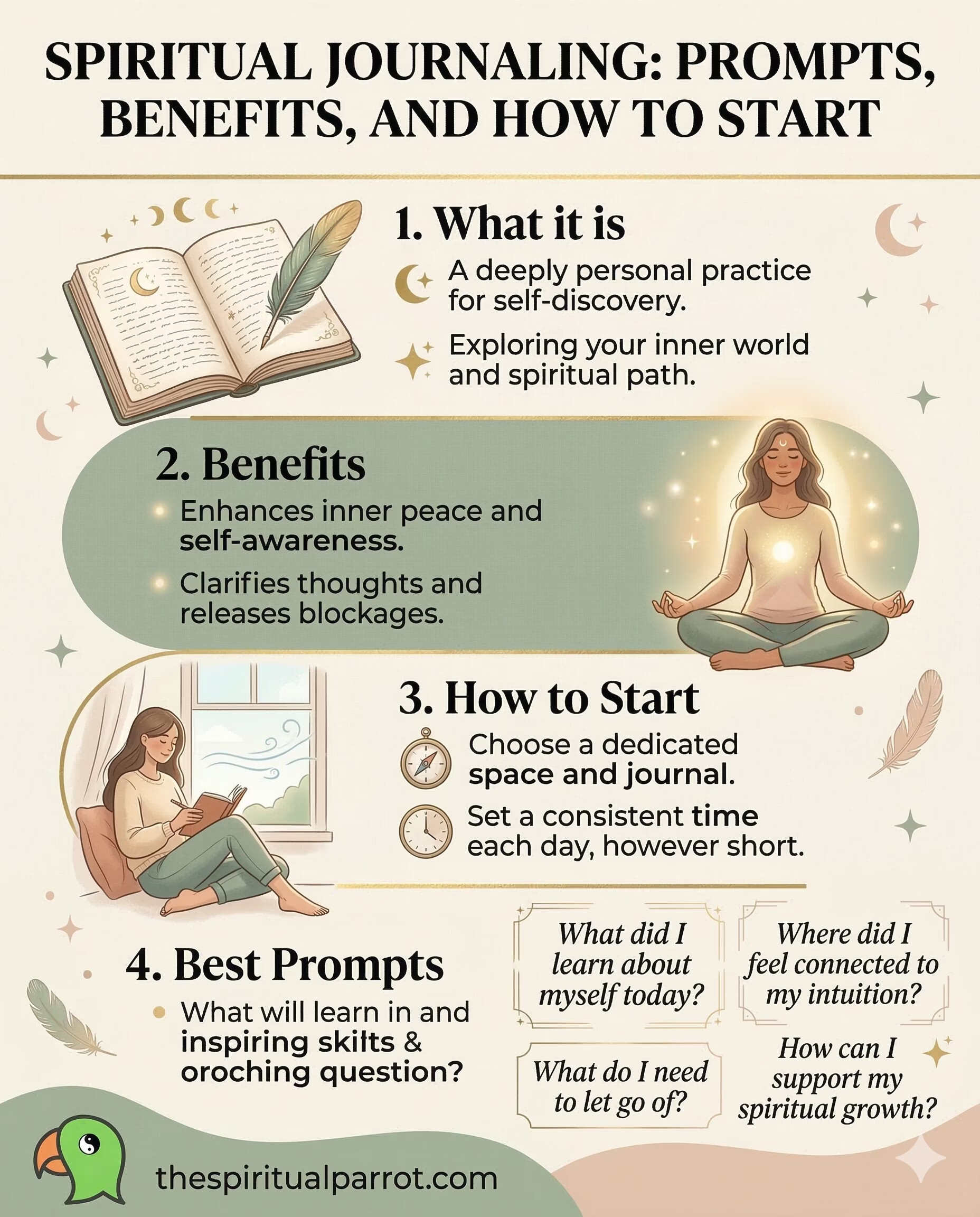
Spiritual journaling is the practice of writing with the intention of connecting more deeply with your inner life. It is not only about recording what happened during the day. It is more focused on reflection, awareness, healing, growth, intuition, and personal meaning.
In spiritual journaling, you might write about:
- your emotions
- your prayers or intentions
- lessons you are learning
- recurring signs or patterns
- gratitude
- fears or doubts
- dreams or inner insights
- what feels out of alignment
- what feels sacred or meaningful
This kind of journaling helps create a bridge between daily life and inner life. Instead of rushing past your thoughts and feelings, you give them a place to land.
For some people, spiritual journaling feels deeply connected to faith or prayer. For others, it is more about mindfulness, emotional honesty, or intuitive reflection. Both approaches are valid. The point is not to perform spirituality. The point is to create a space where you can be real with yourself.
Why Spiritual Journaling Matters
Life moves quickly, and many of us spend more time reacting than reflecting. Spiritual journaling matters because it invites you to pause. That pause may seem simple, but it can change the way you move through your life.
Writing things down often helps you understand them more clearly. Feelings that seem confusing in your head can become easier to recognize on paper. Questions that feel overwhelming may become more manageable once you begin exploring them honestly. And patterns you keep repeating may become visible in a way they were not before.
Spiritual journaling matters because it can help you:
- become more self-aware
- process emotions in a healthy way
- notice spiritual growth over time
- reconnect with your values
- create calm during stressful periods
- hear your own inner voice more clearly
Many people find that journaling becomes a kind of anchor. It gives them somewhere to return when life feels noisy, uncertain, or emotionally heavy.
Benefits of Spiritual Journaling
Spiritual journaling can support you in many ways, both emotionally and spiritually. Its effects are often subtle at first, but over time, the practice can become deeply grounding.
1. It Helps You Process Emotions
Sometimes emotions stay stuck because they have not been expressed clearly. Journaling gives those feelings room to breathe. Whether you are grieving, frustrated, confused, hopeful, or overwhelmed, writing can help you understand what you are carrying.
2. It Encourages Self-Reflection
A spiritual journal can show you where you are growing, where you feel blocked, and what keeps returning to your attention. That kind of reflection often brings honesty and clarity.
3. It Deepens Your Intuition
When you write regularly, you may begin noticing that your deeper thoughts become easier to hear. Spiritual journaling can help you distinguish between noise, fear, and genuine inner knowing.
4. It Supports Healing
Writing can be especially meaningful during periods of heartbreak, transition, burnout, or emotional healing. It does not solve everything, but it can make the healing process feel less hidden and less lonely.
5. It Strengthens Gratitude and Presence
Many people use spiritual journaling to notice what is still good, steady, or beautiful even during difficult seasons. That practice can gently shift your focus without denying your reality.
6. It Creates a Record of Growth
One of the most powerful parts of journaling is looking back. You begin to see how much you have changed, what you have survived, and how your inner life has evolved over time.
Spiritual Journaling vs Regular Journaling
Not all journaling is the same, and that is okay. Regular journaling may focus more on events, daily routines, or general thoughts. Spiritual journaling usually goes deeper into meaning, healing, inner alignment, and reflection.
A regular journal entry might say:
- I had a stressful day at work and felt tired.
A spiritual journal entry might say:
- I noticed how easily stress pulled me away from myself today. I want to understand why I felt so disconnected and what I need in order to feel grounded again.
The difference is not about sounding more profound. It is about intention. Spiritual journaling asks not only “What happened?” but also “What is this experience teaching me?”
How to Start Spiritual Journaling
Beginning a spiritual journaling practice does not have to be complicated. In fact, it is usually better when it is simple.
Choose a Journal You Enjoy Using
It can be a notebook, a guided journal, or even a digital document if that feels easier. What matters most is that it feels accessible and personal.
Start Small
You do not need to write for an hour every day. Even five to ten minutes is enough to begin building the habit.
Create a Quiet Moment
Some people journal in the morning before the day begins. Others prefer evening reflection. There is no perfect time. Choose the time when you are most likely to be honest and uninterrupted.
Write Without Trying to Sound Impressive
This is important. Your journal is not for performance. It is for truth. Let it be messy, sincere, uncertain, emotional, awkward, or simple.
Use Prompts if You Feel Stuck
Prompts can make the process easier, especially in the beginning. They give your mind somewhere to start instead of staring at a blank page.
How Often Should You Do Spiritual Journaling?
There is no strict rule. Some people journal daily. Others write a few times a week or only during emotionally important moments.
A gentle rhythm might be:
- daily for 5 to 10 minutes
- 3 times a week for deeper reflection
- once a week for a longer spiritual check-in
Consistency helps, but perfection is not the goal. Spiritual journaling should support your life, not become another thing you feel guilty about.
What to Write About in a Spiritual Journal
If you are not sure what belongs in a spiritual journal, start with what feels honest. You do not need to force mystical insights. Real writing is enough.

You can write about:
- what you are feeling right now
- what you are afraid of
- what you are grateful for
- what keeps repeating in your life
- where you feel blocked
- what you want to release
- what you are praying for
- signs or dreams that stood out to you
- lessons you are learning
- where you want to grow
The more honest the writing, the more useful it tends to become.
Spiritual Journaling Prompts for Beginners
If you want an easy starting point, these prompts can help.
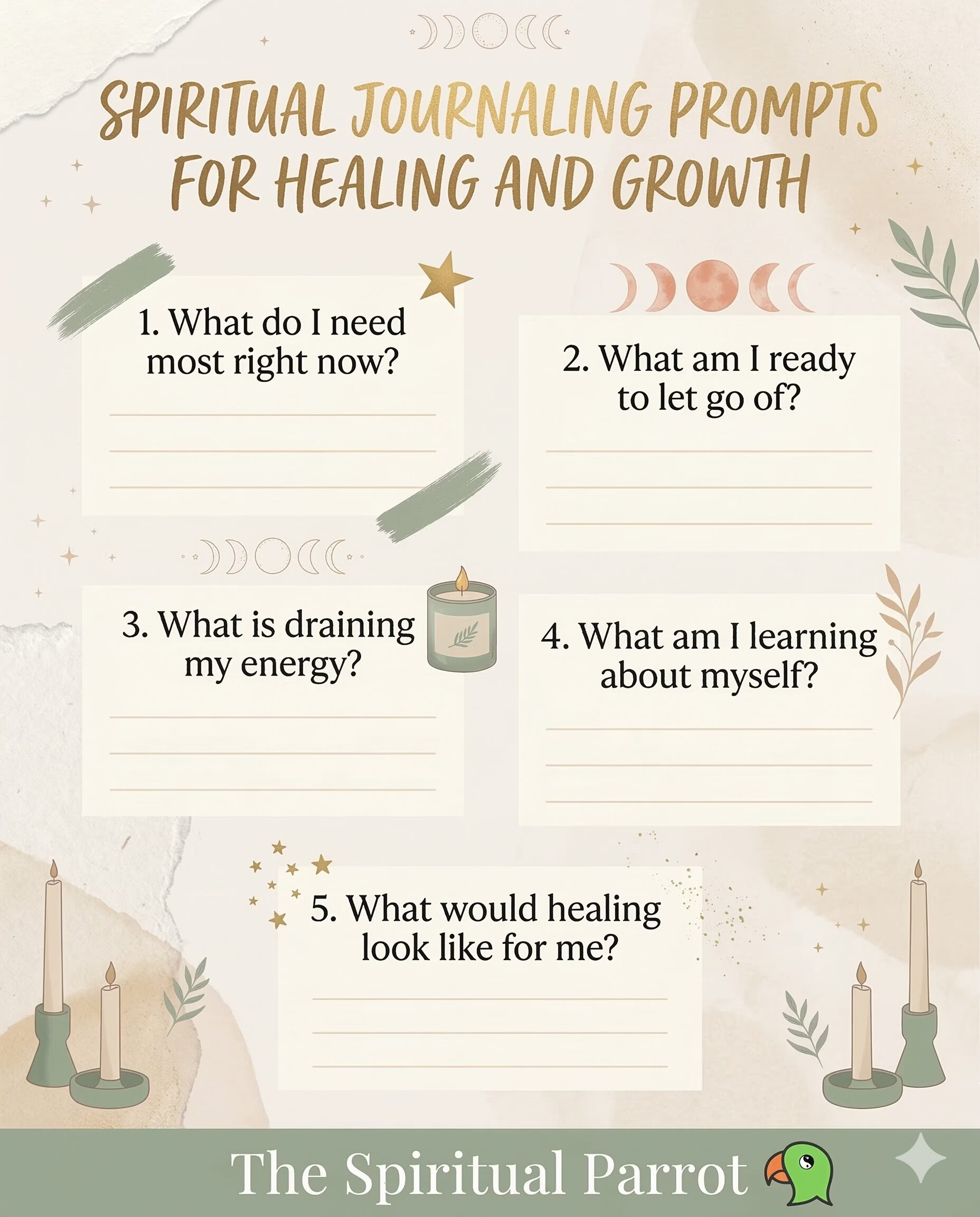
- What do I need most in this season of life?
- What emotions have I been avoiding?
- What is currently draining my energy?
- What does my spirit feel drawn toward right now?
- Where in my life do I need more peace?
- What am I ready to let go of?
- What keeps returning to my mind for a reason?
- What am I learning about myself lately?
- When do I feel most connected to myself?
- What am I grateful for today?
These prompts work best when you answer them slowly and honestly, not when you try to come up with the “right” response.
Spiritual Journaling Prompts for Healing
If you are moving through a difficult period, these prompts may feel supportive.
- What pain am I still carrying?
- What part of me needs compassion right now?
- What am I trying to heal from?
- What am I ready to forgive, even if only a little?
- What lesson has this difficult season brought into my life?
- What do I need to stop blaming myself for?
- Where do I still need gentleness?
- What would healing look like for me right now?
Healing journal prompts can bring up strong feelings, so it helps to move slowly and take breaks when needed.
Spiritual Journaling Prompts for Growth and Clarity
If your focus is growth, purpose, or direction, try prompts like these:
- What kind of person am I becoming?
- What habits are helping me grow?
- What habits are keeping me stuck?
- Where am I being asked to trust more?
- What feels aligned in my life right now?
- What feels out of alignment?
- What do I want my next chapter to feel like?
- What truth do I already know but keep avoiding?
These kinds of questions often help when life feels uncertain and you need clarity more than motivation.
Spiritual Journaling and Prayer
For many people, spiritual journaling naturally overlaps with prayer. Writing can become a very personal way of expressing fears, hopes, gratitude, confusion, or faith.
A prayer journal may include:
- written prayers
- questions for God or the universe
- reflections after prayer or meditation
- things you are asking guidance on
- moments when you felt supported or seen
- prayers that were later answered or transformed
This can be a meaningful practice because writing slows your thoughts down. It often makes prayer feel more intimate and intentional.
Spiritual Journaling and Manifestation
Some people also use spiritual journaling as part of manifestation work. This usually involves writing with intention, clarity, and emotional honesty about what you want to call into your life.
This may include:
- writing future intentions
- describing the energy you want to live in
- noticing limiting beliefs
- exploring what you are ready to receive
- aligning your actions with your desires
The most helpful way to approach this is with sincerity. Spiritual journaling works best when it is not only wishful thinking, but also honest reflection about what needs to shift within you.
Common Mistakes Beginners Make
A few common mistakes can make journaling feel harder than it needs to.
Trying to Write Perfectly
Your journal does not need polished sentences. It needs honesty.
Forcing Deepness
Not every entry has to be profound. Some days, simple writing is enough.
Being Inconsistent and Then Quitting
Missing a few days does not mean the practice failed. Just begin again.
Writing What You Think You Should Feel
The journal becomes truly helpful when you write what is real, not what sounds spiritual.
Turning It Into Pressure
Spiritual journaling should create space, not more stress.
A Simple Spiritual Journaling Routine
If you want a very easy routine, try this:
- Sit quietly for one minute
- Take a few slow breaths
- Ask yourself one honest question
- Write for 5 to 10 minutes without overthinking
- End with one sentence of gratitude, prayer, or intention
That alone is enough to create a meaningful practice.
Frequently Asked Questions About Spiritual Journaling
What is spiritual journaling?
Spiritual journaling is a reflective writing practice focused on inner growth, healing, awareness, intuition, and personal meaning.
How do I start spiritual journaling?
Start with a simple notebook, choose a quiet time, and write honestly for a few minutes using a prompt if needed.
What should I write in a spiritual journal?
You can write about emotions, gratitude, prayers, lessons, fears, dreams, signs, personal growth, or anything that feels spiritually meaningful to you.
Is spiritual journaling the same as prayer journaling?
They can overlap, but they are not always the same. Prayer journaling is often more faith-centered, while spiritual journaling can be broader and include reflection, healing, and intuition.
How often should I do spiritual journaling?
There is no fixed rule. Daily, a few times a week, or even once a week can all be helpful if the practice feels sincere and consistent.
Can spiritual journaling help with healing?
Many people find it helpful for emotional healing because it creates space for reflection, honesty, and processing what they are carrying.
Final Thoughts on Spiritual Journaling
Spiritual journaling is a simple practice, but it can create meaningful change over time. It gives you a place to hear yourself more clearly, process what life is teaching you, and reconnect with what feels true. In a world that often pushes speed, noise, and constant distraction, that kind of quiet honesty can be deeply healing.
You do not need to be especially spiritual, wise, or disciplined to begin. You only need a little willingness to sit with yourself and write what is real. Some days that may look like gratitude. Other days it may look like confusion, grief, prayer, or hope. All of it belongs.
What matters most is not how perfect your journal looks. What matters is that it becomes a space where your inner life is allowed to exist fully and honestly. That is where the real value of spiritual journaling often begins.