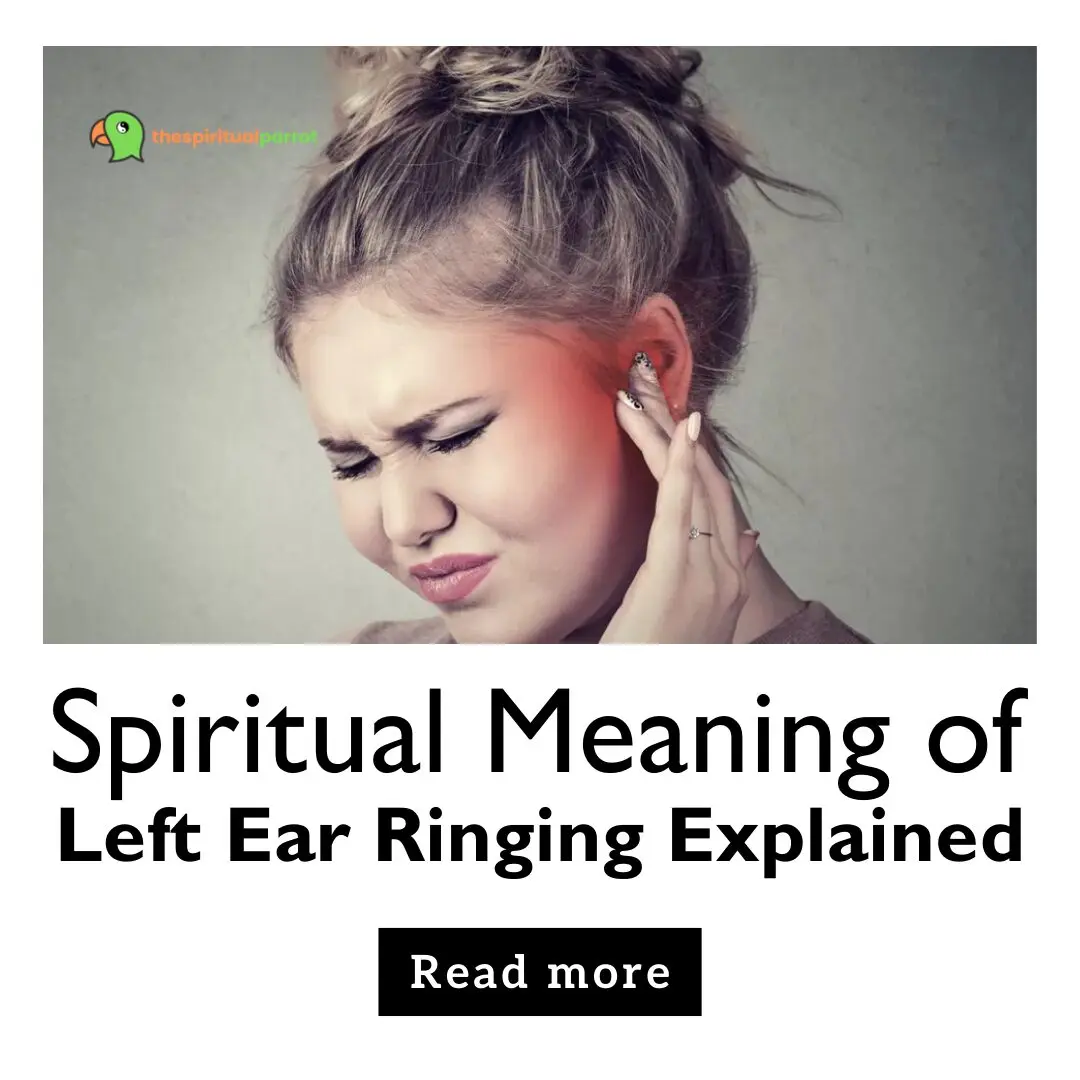
Your ears are burning, and the oldest explanation there is says the same thing it has said for two thousand years: somewhere, someone is talking about you.
What most explanations leave out is that the belief was never only about whether you were being discussed. Folk tradition read the burning for detail. Which ear, what it felt like, what time it happened and what came to mind next were all treated as clues. Put together, they were said to reveal what kind of talk it was, and often who was behind it.
Prefer to watch? The full guide is in the video below.
Where the Belief Comes From
The earliest written version we have comes from the Roman naturalist Pliny the Elder, whose Natural History (around 77 AD) records the common belief that when our ears ring or glow, someone absent is talking about us.
The idea travelled well. By the late 1500s it was familiar enough that Shakespeare could have Beatrice, in Much Ado About Nothing, react to overhearing herself discussed with the line “What fire is in mine ears?” His audience needed no explanation.
The phrase is still in everyday speech. When someone says “my ears are burning” as you mention their name, they are repeating a belief older than most languages spoken today.
The 7 Signs Inside a Burning Ear
1. It arrived when you were still
Notice what you were doing when the warmth started. Folk belief holds that the signal comes through most clearly in quiet moments: resting, daydreaming, lying in bed. A busy mind drowns it out. If the burning found you in a still moment, the tradition says to take it seriously.
2. Which ear is burning
This is the detail most people never check.
- Right ear burning: in most traditions, you are being spoken of kindly. Someone is praising you, defending you or remembering something good you did.
- Left ear burning: the opposite. Gossip, criticism, or someone who does not fully understand you talking about you anyway.
Be aware that not every source agrees. Some old English sayings reverse the pair: “left for love, right for spite.” That is why the side alone is never the whole answer. (If your ear is ringing rather than burning, see our guides to right ear ringing and left ear ringing.)
3. How the burning feels
The sensation itself was read as the tone of the words.
| Feeling | Traditional reading |
|---|---|
| Soft, slow, gentle warmth | Affection, someone thinking of you with care or missing you |
| Sudden, sharp, prickly heat, often with tension in the chest | Frustration, envy or unfinished feelings |
Your body often registers a feeling before your mind names it. Go with your first impression.
4. The time it happened
Older traditions paid close attention to the hour:
- Morning: news on its way. Something is being decided that involves you.
- Afternoon: talk connected to your work, plans or reputation.
- Night: something more personal. Someone lying awake with you on their mind, often someone close, or someone who used to be.
5. A face appears
Right after the burning begins, notice the first person who comes to mind. Don’t force it. Many people describe a name arriving almost instantly: a friend, a relative, someone they had not thought of in months. Folk belief treats that first face as the strongest clue you have.
6. It keeps happening
One burning ear is a whisper; a pattern is a message. Repeated burning, especially at the same time of day, is read as a conversation about you that is still going on. It is often linked with an upcoming change: a decision involving you, an apology being prepared, or a reunion someone is building up to.
Keep a simple note each time:
- Which ear
- What time
- Whose face came to mind
After a few days the pattern usually becomes obvious.
7. The burning is followed by contact
This is the sign most people miss. A message arrives, someone calls, you run into a person unexpectedly, or they appear in your dream that night. In the old belief, this is the circle closing: the person who was speaking of you has reached across the distance.
The bigger idea behind this sign is that the connection runs both ways. Tradition held that your ears do not burn for strangers, only for people who are tied to you in some way. So the real question is not just who is talking about you, but who is still connected to you, and what you want to do about it.
What to Do When Your Ears Burn
If it felt sharp or unkind: the classic folk remedy is to wet the tip of your finger and touch it to the burning ear. According to the saying, the person talking about you will suddenly bite their tongue. Then let it go. You don’t have to carry someone else’s words.
If it felt soft and warm: pause, picture the face that came to mind, and send something kind back, whether a thought, a quiet thank you or a wish that they are well.
If one name keeps returning: consider reaching out. Sometimes the sign isn’t asking you to listen; it’s asking you to answer.
Quick Reference
| Clue | What to notice |
|---|---|
| Ear | Right = kind words, left = gossip (some sayings reverse this) |
| Feeling | Soft = affection, sharp = tension |
| Time | Morning = news, afternoon = work/reputation, night = someone close |
| Face | The first person who comes to mind |
| Pattern | Repeats = an ongoing conversation or coming change |
| Contact | A message, call or dream = the circle closes |
A Note on Health
Ears also get warm and red from heat, exercise, embarrassment, strong emotion or alcohol, and that is normal. If your ears burn often, hurt, or stay red for long periods, please see a doctor. This article covers spiritual and folk meaning only and is not medical advice.