Skip to content
  • Home
  • About Us (The Spiritual Parrot)
  • Privacy Policy
  • Terms and Conditions

The Spiritual Parrot | Angel Numbers, Crystals, Meditation & Spirituality

Explore angel numbers, crystal meanings, meditation, mindfulness, and spirituality with practical guides, spiritual insights, and tools for everyday growth.

  • Message From The Universe
  • Name Angel Number Calculator
  • Toggle search form
Meditation Poses for Beginners A Guide to Inner Peace

Meditation Poses for Beginners: A Guide to Inner Peace

Posted on September 5, 2023December 2, 2025 By The Spiritual Parrot

If you’ve just started meditating, you’ll know it’s not as simple as sitting cross-legged and closing your eyes. The way you sit, the way your body is held, all of that changes the practice. That’s why people talk about the best meditation poses for beginners — because the pose is often the thing that keeps you steady and stops you from getting distracted halfway through.

Table of Contents

Toggle
    • Why Meditation Poses Matters for Beginners
    • What This Guide Offers
  • Why Proper Meditation Poses for Beginners Matter
    • Posture and Alignment
    • Breath and Focus
  • 5 Beginner Meditation Poses You Must Know
    • The Lotus Pose
    • The Half-Lotus Pose
    • The Seiza Pose
    • The Chair Pose
    • The Savasana Pose
  • Common Mistakes to Avoid
    • Posture Problems
    • Pushing Too Hard
    • Inconsistency
  • Tips for Inflexible Beginners
    • Meditation Poses for Inflexible Beginners
    • Gradual Progression & Adaptation
  • Transcendental Meditation Poses for Beginners
    • Transcendental Meditation in Plain Words
    • Poses That Work Well for Transcendental Meditation (Beginner-Friendly)
    • Tiny Adjustments that Make a Big Difference
  • Frequently Asked Questions
    • Can beginners meditate in any pose?
    • How long should beginners hold each pose?
    • Is it normal to feel discomfort?
    • What if I can’t sit still?
    • Can I use props or cushions?
    • Chair vs. floor — which is better?
    • What if my mind won’t stop thinking?
    • How do I know a pose is “right” for me?
  • Conclusion
    • Quick Recap (no fluff)
    • What’s next

Why Meditation Poses Matters for Beginners

Think of posture as the foundation of a house. If it wobbles, everything above it wobbles too. Meditation works the same way.

  • Comfort matters. If you’re straining, your mind won’t settle.
  • Alignment helps. A spine that’s upright but not stiff lets the breath flow easier.
  • Breath follows posture. Slumped over, you breathe shallow; sitting tall, you breathe better.
  • And fewer distractions. A body that feels grounded gives your mind less reason to run off.

For newcomers, the difference between sitting well and sitting in discomfort can mean meditation feels inviting… or unbearable. That’s where simple meditation poses for beginners really help.

What This Guide Offers

This isn’t about forcing your legs into a full lotus. It’s about finding meditation poses for beginners that actually work for your body. Here’s what you’ll see:

  • Steps you can follow without confusion.
  • Mistakes you’ll want to avoid (like slouching or locking your knees).
  • Tips for stiff hips or tight backs — because you don’t need to be flexible to meditate.
  • Answers to the little questions, like “How long do I sit?” or “What if I can’t keep still?”

By the time you finish, you won’t be worrying about how to sit. You’ll have a few reliable poses, and you’ll be ready to focus on what really matters — the practice itself.Mindful Meditation Mantra

Why Proper Meditation Poses for Beginners Matter

Deciding to meditate is one thing. Actually sitting down and finding a position that feels right is another. Many beginners underestimate how much the body influences the mind. If your back aches or your legs go numb, the session becomes a fight instead of a practice. That’s why understanding proper meditation poses for beginners isn’t just helpful—it’s essential.

Posture and Alignment

People often joke, “It’s just sitting, how hard can it be?” But sitting in a way that supports meditation is very different from slumping into a chair. A neutral spine lets the breath move easily. Balanced weight keeps tension from building in your hips or shoulders. And when the body feels steady, the mind has a better chance of settling down too. Small shifts—adding a cushion, sitting a little taller—can change everything. The best meditation poses for beginners are the ones that create stability without forcing the body into pain.

Breath and Focus

Breath connects body and mind, and your posture sets the tone for how that breath flows. Sit slouched, and the breathing turns shallow. Sit with openness, and the lungs expand naturally. Deep, steady breaths calm the nervous system and help focus come more easily. For beginners, noticing this link is a powerful first lesson: the right pose shapes the breath, and the breath shapes the mind. That’s why so much emphasis is placed on meditation poses for beginners—they aren’t just about comfort, they’re about creating the conditions where mindfulness can actually take root.

5 Beginner Meditation Poses You Must Know

You already know posture makes a huge difference. Now it’s time to try it out in practice. The good thing is there isn’t one perfect way to sit. Every body is built differently, so it’s worth testing a few meditation poses for beginners and noticing which one feels steady, simple, and natural for you.

The Lotus Pose

This is the pose most people picture when they think of meditation. Sitting cross-legged, both feet placed on the opposite thighs, hands resting on the knees.

  • Keeps the spine upright and aligned
  • Helps you focus and breathe more deeply

It’s iconic, but also tough for tight hips and knees. Some people swear by it, others can’t stand it. Try it once and decide for yourself.
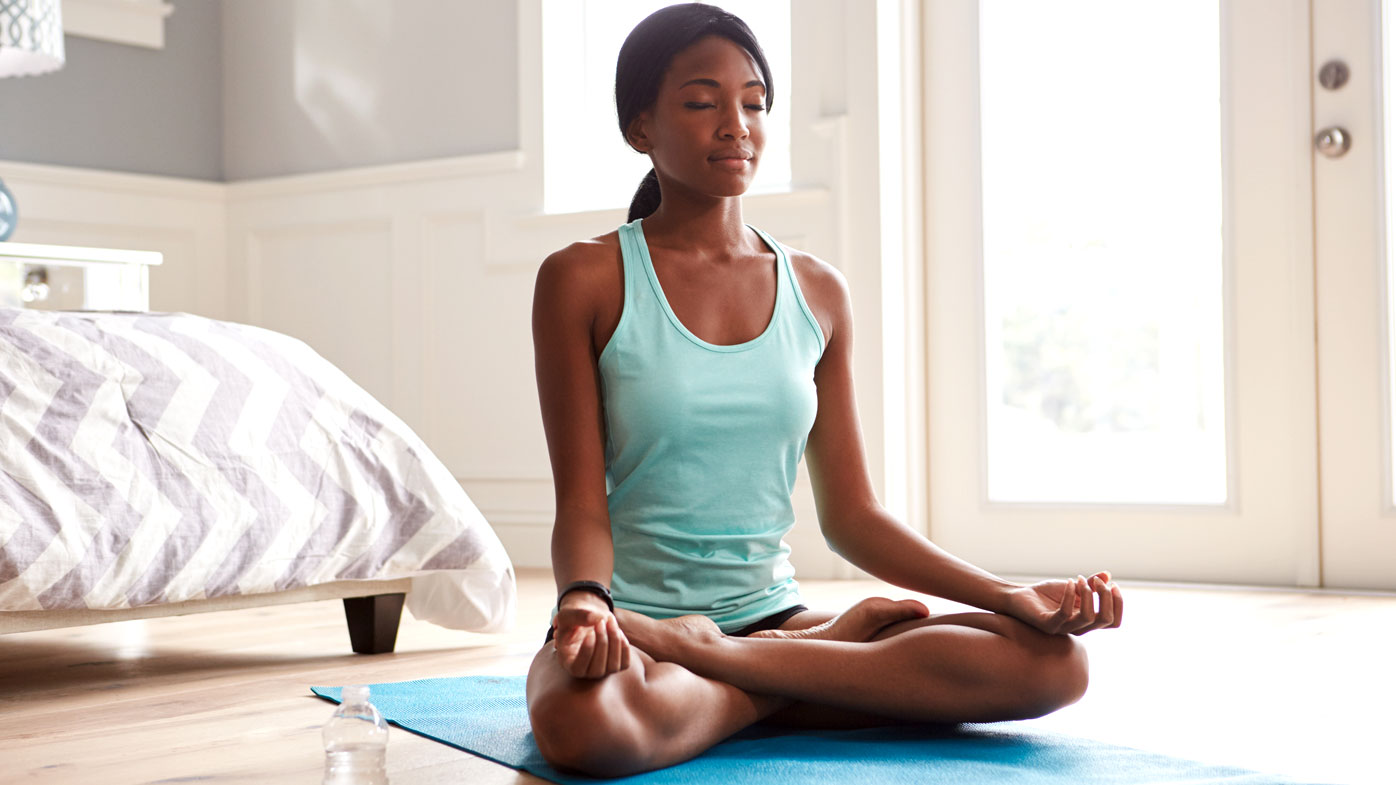
Lotus Meditation Pose for Beginners
Lotus Meditation Pose

The Half-Lotus Pose

A softer take on lotus. One foot rests on the opposite thigh, the other tucked underneath.

  • Kinder on the hips and knees
  • Still supports good posture
  • A nice step before attempting the full lotus

This is one of the more forgiving meditation poses for beginners, giving you balance without forcing the body too far.

Half Lotus Meditation Pose

The Seiza Pose

Not a fan of crossing your legs? Seiza might work better. It’s the Japanese kneeling style — legs folded underneath, sitting back on the heels.

  • Naturally straightens the back
  • Reduces hip strain
  • Works well with a cushion or bench

It feels formal but grounding. Many beginners prefer Seiza because it’s easier to hold than lotus-style positions.

Seiza Meditation Pose

The Chair Pose

Yes, a plain chair can be used for meditation. Sit with feet flat on the ground, back upright, and hands relaxed on your lap.

Ideal for back or knee issues

Comfortable for longer sessions

Can be done anywhere, even at work

This shows that meditation poses for beginners don’t have to be complicated. Comfort matters more than looking a certain way.
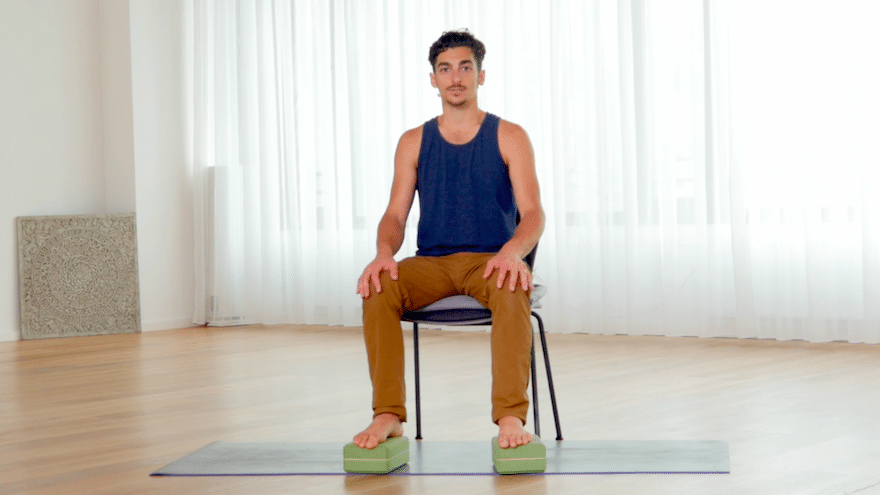
chair meditation pose

The Savasana Pose

Flat on your back, arms by your side, eyes closed. It might look like you’re just resting, but the relaxation runs deep.

  • Releases stress and tension
  • Brings full-body calm
  • A peaceful way to end a session

Savasana is perfect if you’re tired, stressed, or just not in the mood to sit upright. It reminds you that mindfulness can happen lying down too.

Experiment with these meditation poses for beginners and notice which one feels most natural. The “best” pose is always the one that helps you breathe with ease and stay present, so you’ll actually want to come back and do it again.
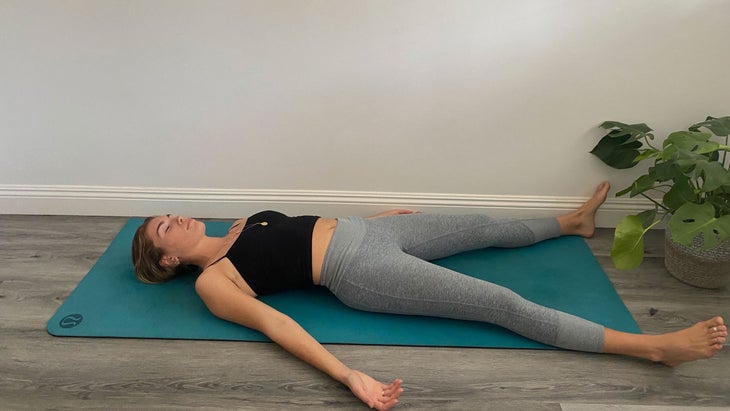
Savasana Meditation Pose

Common Mistakes to Avoid

So you’ve landed on a few poses that work for you, and have perhaps even started to feel a little “Zen.” That’s all good — but before you get too excited, it’s worth noticing a few pitfalls a lot of beginners fall into. You’ll still get good — these will prevent bad habits and make your practice smoother, so you come back to it.

Posture Problems

It doesn’t take much — a slouch here, a tilted head there — and you’ve got your body working against you. Posture is the foundation of meditation, and little mistakes can compound.

  • Crouching forward presses on the back and saps power.
  • Go too far and you may have a sore neck.
  • For seated cross-legged shapes, jamming the feet anywhere else will often mean knee pain later.

When you’re learning about meditation poses for beginners, posture is what either makes or breaks the practice. A small adjustment can change discomfort into ease.

Pushing Too Hard

It’s tempting to overdo it in the beginning: sit longer, reach deeper, nail the lotus post-haste. However, forcing the body only creates more tension.

  • Muscles tighten instead of relaxing.
  • Attention falls not on breath, but on suffering.
  • Discomfort mounts, and some people quit outright.

Better to ease in. If a position doesn’t feel comfortable, ease out of it. Meditation is about awareness, not hanging on.

Inconsistency

The truth? The most difficult part is not posture or, for that matter, breathing. It’s showing up. It’s normal to skip a day here and there, but weeks-long breaks block progress.

  • Practice becomes harder to restart.
  • The effects — clarity, calm, focus — wear off.
  • Habits never have time to set in.

How to fix it? Keep it small. Ten minutes a day is plenty. Choose a time that feels realistic and stick with it. If you need accountability, share your plan with a friend. The idea is to make meditation — and those easy meditation poses for beginners — a regular part of life rather than a special thing you do sometimes.

Not making these mistakes won’t make your practice perfect, but it will certainly help. And easier usually means you’ll want to return tomorrow — which is the whole idea.
Mindful Meditation

Tips for Inflexible Beginners

Looked at a few poses and thought, “You want me to put my leg where?” Fair. Flexibility takes time. The goal isn’t to win yoga Olympics; it’s to sit (or stand) in a way that lets you pay attention. We’re keeping this simple and making meditation poses for beginners actually doable.

Meditation Poses for Inflexible Beginners

You don’t need pretzel hips. Start where you are.

  • Chair pose. Feet flat, knees over ankles, back upright (not glued to the backrest), hands on lap. One of the easiest meditation poses for beginners when hips or knees complain.
  • Supported easy seat. Sit cross-legged on a cushion or two; slide blocks or rolled towels under knees so they’re not hanging. Less tug, more ease.
  • Seiza with support. Kneel and sit on a small pillow or a meditation bench. Spine stacks by itself. If ankles protest, tuck a folded towel under them.
  • Standing mountain (Tadasana). Feet hip-width, soft knees, crown tall. Sounds too simple, works surprisingly well for focus.
  • Wall assist. Back to a wall, small cushion under sit bones. A sneaky way to get alignment without effort — great for longer sits.

These meditation poses for beginners have a low entry fee: minimal stretch, maximum stability.

Gradual Progression & Adaptation

No heroics. Small moves, repeated often.

  • Consistency > intensity. Ten quiet minutes most days beats one epic session that wrecks your knees.
  • Gentle prep. Two minutes of easy ankle circles, hip swings, or a hamstring stretch before you sit. Then a slow shoulder roll after.
  • Prop it up. More height under the hips, blankets under shins, towel behind the low back — adjust until your body stops arguing.
  • Step it forward. When a pose feels calm for a week or two, nudge it: a little less cushion, a touch longer, maybe try the next variation.

Remember: the best meditation poses for beginners are the ones you can actually stay in. Comfort isn’t cheating; it’s how you focus. Start where you are, tweak what hurts, breathe. If today is the chair and tomorrow is Seiza, that’s progress. Keep it easy enough that you want to come back.

Transcendental Meditation Poses for Beginners

Transcendental Meditation is everywhere these days — podcasts, boardrooms, your cousin who swears it “changed everything.” At its core it’s simple: sit comfortably, eyes closed, repeat a personal mantra, and let the mind settle. No incense required. If you’re new, the question isn’t “Can I do TM?” so much as “How do I sit for twenty minutes without fidgeting?” That’s where meditation poses for beginners come in.

Transcendental Meditation in Plain Words

Short version: you sit quietly, twice a day, about twenty minutes, and use a mantra. The draw is less stress, steadier focus, and a clearer head. The pose doesn’t have to look fancy; it just needs to let you stay put without a fight.

Poses That Work Well for Transcendental Meditation (Beginner-Friendly)

Pick what your body says yes to. Comfort first.

  • Chair pose. Feet flat, knees over ankles, back upright but not pinned to the backrest, hands easy on the lap. Easiest landing spot for twenty minutes, and one of the most reliable meditation poses for beginners.
  • Easy pose (cross-legged, supported). Sit on a cushion so the hips are higher than the knees; slide rolled towels under the thighs if they float. Spine stacks, shoulders soften, breathing opens up.
  • Seiza with a cushion or bench. Kneel, sit on a small pillow or meditation bench. Great when cross-legged feels cramped; ankles happier with a folded towel underneath.

Any of these gives you a stable base so the mantra gets your attention — not your knees.

Tiny Adjustments that Make a Big Difference

Nothing fancy, just the usual human fixes:

  • Lift the seat height until the low back stops arguing.
  • Rest hands where the shoulders don’t creep up (thighs or lap).
  • If the head drifts forward, tuck the chin a hair; imagine the crown floating up.
  • When the body gets noisy, notice it, adjust once, and return to the practice.

Transcendental Meditation doesn’t hand out extra points for heroics. The best meditation poses for beginners are the ones you can repeat tomorrow without dreading them. Sit in a chair, sit on a cushion, sit on a bench — whatever lets you be still enough to actually do the thing.

Frequently Asked Questions

Real questions people actually ask — without the fluff. If you’re new, skim and grab what you need. Keep the bits that help, ignore the rest.

Can beginners meditate in any pose?

Short answer: yes. There’s no secret “approved” shape.

  • If you can sit (or stand) comfortably and breathe without strain, it counts.
  • Different shapes do different things — some feel focusing, some more relaxing.
  • Your best pose is the one you can stay in without fidget wars.

Exploring a few meditation poses for beginners is smart; pick the one your body doesn’t argue with.

How long should beginners hold each pose?

Don’t make it a marathon on day one.

  • Start tiny: 5–10 minutes is plenty.
  • Add a minute or two every few days.
  • If something starts to ache, change position or stop. That’s not failure; that’s listening.

Quality beats duration. Ten steady minutes > thirty minutes of “ow.”

Is it normal to feel discomfort?

A little? Yes. Sharp or numbing pain? No.

  • New positions wake up sleepy muscles. That mild “hello” feeling is common.
  • Nerve-y, pinchy, or throbbing pain is your cue to adjust — more cushion, different angle, or new pose.
  • Props help: blanket under ankles, cushion under hips, block under each knee.

When testing meditation poses for beginners, aim for “present and calm,” not “endure and suffer.”

What if I can’t sit still?

Totally normal. Restlessness is part of the learning curve.

  • Go shorter. Two sets of 6 minutes can beat one 12-minute grind.
  • Try movement-based options: mindful walking, standing mountain, Seiza with micro-shifts.
  • Make restlessness the object: notice it, label it “restless,” return to breath or mantra.

Stillness grows by being practiced, not demanded.

Can I use props or cushions?

Please do. Comfort isn’t cheating — it’s how focus happens.

  • Lift the hips: cushion or folded blanket so knees drop below hip level.
  • Support the joints: towels under ankles/shins, blocks under knees.
  • Back help: sit near a wall or use a small lumbar roll when needed.

For many meditation poses for beginners, one extra inch of padding changes the whole session.

Chair vs. floor — which is better?

Whichever you’ll actually use tomorrow.

  • Chair: feet flat, spine tall, hands easy on lap. Great for tight hips/knees.
  • Floor: Easy pose, Half-Lotus, or Seiza with support if that feels kinder.

Same mind, same breath. Different furniture.

What if my mind won’t stop thinking?

Welcome to the club.

  • Give it a job: count breaths 1–10, repeat your mantra, or note “in/out.”
  • Expect wandering. Notice → return. That loop is the practice.

How do I know a pose is “right” for me?

Three checks:

  1. You can breathe easily.
  2. You can stay mostly still without bracing.
  3. You’d be willing to do it again tomorrow.

If all three are “yes,” you’ve found one of your go-to meditation poses for beginners. Keep it. Rotate others in as your body allows.

Conclusion

If you’ve made it this far, you’ve done the real work: you showed up. We wandered through meditation poses for beginners, the easy wins, the traps to skip, even a simple way to sit for TM without fighting your knees. Not bad for one read.

Quick Recap (no fluff)

  • The pose matters. Comfortable and steady beats fancy every time.
  • Skip the usual mistakes. Slouching, forcing, disappearing for weeks — that stuff derails practice fast.
  • Flexibility is a process. Props help. Cushions help. Tomorrow helps more than heroics today.

The poses are just the doorway. What happens after you sit — the breath, the noticing, the gentle return — that’s the practice.

What’s next

  • Keep it small and steady. Ten minutes most days. Same time if you can.
  • Tinker. Try a chair, Seiza, or a supported easy seat. Swap when something nags.
  • Get a little help. A friend, a group, a short video — anything that makes it easier to come back.

And that’s it. No grand send-off needed. Pick one of the meditation poses for beginners that felt kind to your body, set a simple timer, sit down today. Then do it again tomorrow. Presence grows the way most good things do — quietly, one small session at a time.
Meditation Tags:beginner's guide, Common Mistakes, Emotional Healing, emotional well-being, FAQ, Flexibility, Meditation, Meditation Poses, meditation tips, Mind-body connection, Mindful Living, Mindfulness, Mindfulness Techniques, Personal Growth, Spiritual Guidance, Stress relief, The Spiritual Parrot, Transcendental meditation

Post navigation

Previous Post: 5445 Angel Number: Divine Secrets Unveiled
Next Post: Esoteric Spiritual Wisdom: Unlocking the Secrets of the Soul

More Related Articles

Embracing Cleansing Rituals A Guide to Spiritual Purification and Renewal Embracing Cleansing Rituals: A Guide to Spiritual Purification and Renewal Meditation
Somatic Meditation For Mind Body Harmony Somatic Meditation For Mind-Body Harmony Meditation
741 Hz Frequency Heal & Cleanse Negativity 741 Hz Frequency: Heal & Cleanse Negativity Meditation
How Transcendental Meditation Mantras Work How Transcendental Meditation Mantras Work Meditation
Past Life Meditation to Heal Old Wounds Past Life Meditation to Heal Old Wounds Meditation
7 Lost Meditation Techniques You've Never Heard of 7 Lost Meditation Techniques You’ve Never Heard of Meditation
5 Minute Morning Meditation for a More Peaceful Day. 5 Minute Morning Meditation for a More Peaceful Day Meditation
Spiritual Meditation for Beginners (5 types): An Ultimate Guide Spiritual Meditation for Beginners (5 types): An Ultimate Guide Meditation
Effective Meditation Techniques for Inner Peace Effective Meditation Techniques for Inner Peace Meditation
Morning Meditation In Bed: Meditate & Enhance your Sleep Morning Meditation In Bed: Meditate & Enhance your Sleep Meditation
Mindfulness Meditation Enhances Psoriasis Treatment Mindfulness Meditation Enhances Psoriasis Treatment Effectively Meditation
Abraham Hicks Morning Meditation A Guide to Start Your Day Abraham Hicks Morning Meditation: A Guide to Start Your Day Meditation
Check: Name Angel Number Calculator
Check: Message From the Universe
  • Instagram
  • YouTube
  • X
  • Pinterest

Newsletter

  • Crystals
  • Meditation
  • Mindfulness
  • Personal Growth
  • Spirituality
  • Home
  • About Us (The Spiritual Parrot)
  • Contact Us
  • Privacy Policy
  • Message From The Universe

Copyright © 2026 The Spiritual Parrot | Angel Numbers, Crystals, Meditation & Spirituality.

Powered by PressBook Green WordPress theme