Quick Answer: Five spiritual beliefs shaping future trends include the rise of mindfulness and meditation, eco-spirituality, personalized rituals, the search for balance, and the pursuit of purpose. These beliefs are influencing how individuals connect with themselves, others, and the environment, fostering mental clarity, emotional stability, and a more conscious approach to daily life and global movements.
In today’s fast-paced world, spiritual beliefs are becoming more influential than ever. As people seek balance and purpose, they are turning to age-old practices and philosophies to navigate the complexities of modern life. Whether it’s through mindfulness, eco-spirituality, or personalized rituals, these spiritual trends are shaping how we connect with ourselves, others, and the environment. Understanding these evolving spiritual paths is crucial as they hold the potential to influence everything from our daily routines to global movements. In this post, we’ll explore 5 key spiritual beliefs that are defining future trends and impacting our collective journey toward a more conscious, connected world.Trend 1: Rise of Mindfulness and Meditation
In recent years, mindfulness and meditation have shifted from niche practices to mainstream essentials. More people are embracing these methods, not only to improve their spiritual well-being but also to manage the fast-paced, high-stress demands of daily life. But what exactly do mindfulness and meditation involve, and why are they becoming so central to our modern routines? At their core, mindfulness is about being fully present in the moment, aware of where we are and what we’re doing without becoming overwhelmed by what’s going on around us. Meditation, on the other hand, refers to specific practices designed to cultivate focus, awareness, and inner calm. These ancient practices, long tied to spiritual growth in cultures around the world, are now recognized for their ability to foster mental clarity and emotional stability.
Explanation of Mindfulness and Meditation Practices
Mindfulness and meditation might seem like buzzwords, but they are deeply rooted in ancient traditions. Mindfulness encourages living in the present moment without judgment. It can be as simple as focusing on your breath while walking, noticing the feeling of the ground beneath your feet, or being aware of the smells and sounds around you. Meditation involves more structured techniques, like seated breathing exercises, visualization, or even mantras, aimed at calming the mind.- Mindful Breathing: A basic example of mindfulness involves paying attention to your breath—feeling the air move in and out, noticing the sensation of your lungs expanding, and simply letting thoughts pass by without attachment.
- Guided Meditation: Many beginners start with guided meditations, often available through apps like Calm or Headspace. These tools offer step-by-step instruction, making it easier to dive into meditation without feeling overwhelmed.
Impact on Mental Health, Productivity, and Overall Well-being
The impact of mindfulness and meditation on mental health is staggering. Numerous studies show that regular meditation reduces symptoms of anxiety and depression. More than just a way to relax, these practices actively rewire the brain, increasing the gray matter involved in emotion regulation and self-awareness.For example, workplaces that incorporate mindfulness sessions have seen remarkable improvements in employee productivity and well-being. Google, for instance, offers mindfulness programs to help employees stay focused and reduce burnout. Schools are also incorporating mindfulness exercises to help students manage stress and enhance learning outcomes.- Increased Focus: Practicing mindfulness helps to quiet mental distractions, allowing individuals to concentrate better. This has led to its inclusion in workplaces and schools where focus and clarity are essential.
- Stress Reduction: Studies have shown that even 10 minutes of daily meditation can significantly lower cortisol levels, the hormone associated with stress.
Examples in Workplaces, Schools, and Daily Life
Mindfulness and meditation practices are no longer confined to yoga studios or meditation retreats. In workplaces, “mindful minutes” are now part of regular meetings, helping teams reset before jumping into discussions. Companies like Aetna and SAP offer mindfulness programs to employees, reporting lower stress levels and higher productivity as a result.- At Work: Mindfulness sessions during lunch breaks, or even a few minutes of quiet breathing before a meeting, can reset your mental state, making you more focused and less prone to distractions.
- In Schools: Mindfulness training is becoming part of school curriculums to help students deal with anxiety, boost attention, and improve emotional regulation. Many schools report that students who practice mindfulness are more engaged and less likely to act out.
- Daily Life: Whether it’s taking a mindful walk in nature, practicing mindful eating, or using apps like Insight Timer to squeeze in a quick meditation session, integrating mindfulness into daily life has become easier and more accessible than ever.
Trend 2: Integration of Eastern Philosophies
Eastern philosophies like Buddhism, Taoism, and Hinduism have long been associated with spiritual and personal growth. However, in recent years, their influence has transcended cultural boundaries, becoming increasingly integrated into Western lifestyles. These philosophies, which focus on balance, harmony, and understanding the deeper purpose of existence, now resonate with people seeking a more mindful and intentional way of living. As the world becomes more interconnected, the principles from these ancient traditions are being adopted not just as spiritual practices, but as frameworks for modern living.Overview of Popular Eastern Philosophies (e.g., Buddhism, Taoism)
Eastern philosophies revolve around principles that encourage self-awareness, simplicity, and connection with the natural world.- Buddhism: Centers on the Four Noble Truths and the Eightfold Path, emphasizing the impermanence of life and the importance of letting go of attachments to achieve inner peace.
- Taoism: Focuses on living in harmony with the Tao, or “the way,” which is seen as the natural order of the universe. Taoism encourages effortless action (Wu Wei) and living in tune with nature’s rhythms.
- Hinduism: Known for its diverse spiritual practices, Hinduism teaches karma (the law of cause and effect) and dharma (duty or righteousness), promoting the pursuit of spiritual and material goals in balance.
Influence on Western Culture and Lifestyle Choices
The Western embrace of Eastern philosophies goes beyond yoga studios and meditation apps. Many people have integrated these concepts into their daily lives, reshaping how they think about wellness, success, and personal happiness.- Minimalism: Rooted in the Buddhist idea of non-attachment, minimalism has gained popularity in Western societies. This movement encourages people to declutter their lives—not just physically, but mentally and emotionally—leading to more purposeful living.
- Mindful Living: Drawing from Buddhist and Taoist teachings, many have adopted mindful living practices, focusing on being present and finding joy in everyday moments. This trend has influenced how people approach work-life balance, relationships, and even consumerism.
Case Studies or Examples
The integration of Eastern philosophies into Western culture is apparent across various sectors:- Yoga and Meditation Retreats: More Westerners now flock to yoga and meditation retreats in places like India or Bali, seeking spiritual growth and self-discovery. These retreats often combine yoga (a Hindu practice) and meditation rooted in Buddhist traditions.
- Corporate Influence: Companies like Google have integrated mindfulness training based on Buddhist practices to improve employee well-being and productivity. The influence of these philosophies extends into leadership styles that emphasize empathy, compassion, and mindful decision-making.
- Cultural Influence in Media: Movies and books such as Eat, Pray, Love and The Power of Now reflect this growing interest in Eastern spiritual concepts, showcasing journeys of self-discovery and spiritual awakening.
Trend 3: Eco-Spirituality and Environmental Consciousness
In recent years, a new spiritual movement has emerged that connects environmental activism with spiritual beliefs: eco-spirituality. This approach emphasizes that the Earth is sacred, and our connection to it must be honored. As climate change and environmental degradation become pressing global issues, eco-spirituality calls for a deeper sense of stewardship and respect for the planet. It blends traditional environmentalism with spiritual practices, urging individuals to live in harmony with nature.Definition of Eco-Spirituality
Eco-spirituality refers to a belief system that sees the Earth and all living beings as interconnected parts of a spiritual whole. It invites individuals to consider their relationship with the natural world not just in practical terms but in spiritual ones. This philosophy often stems from indigenous belief systems, which hold the Earth as a living entity deserving of respect and protection.People who practice eco-spirituality often engage in rituals that honor nature, such as seasonal ceremonies, meditative nature walks, or even spiritual gardening. It’s about fostering a sense of reverence for the planet and understanding that environmental health is intimately connected to human well-being.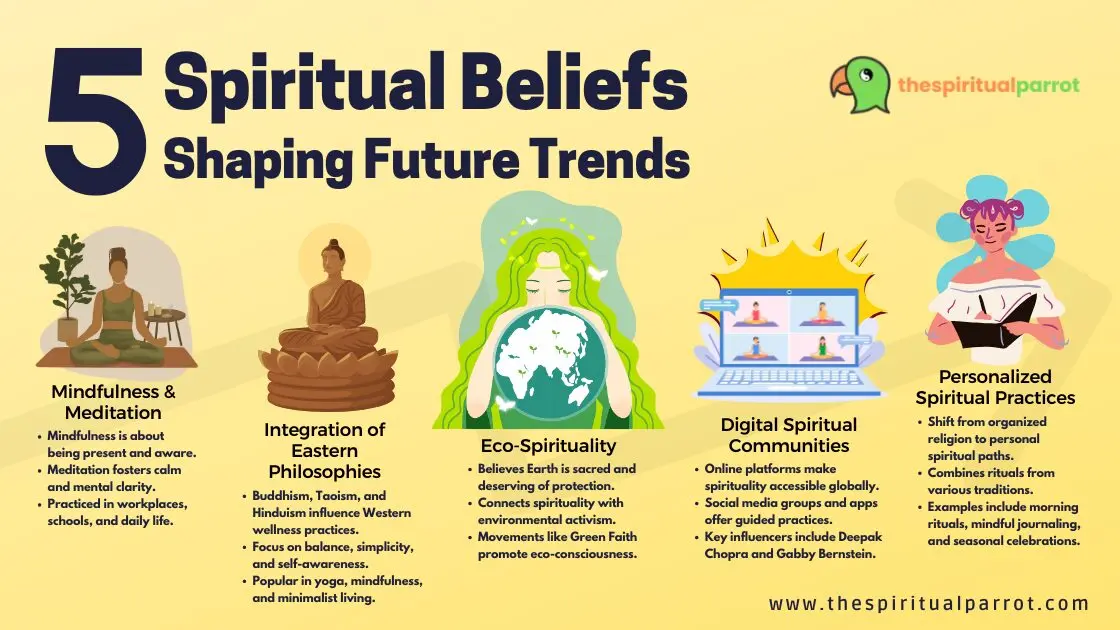
Connection Between Spiritual Beliefs and Environmental Activism
Many environmental activists have drawn on spiritual beliefs to fuel their work, arguing that environmental care is not just a political issue but a moral and spiritual obligation. This approach encourages people to view nature as a living system that sustains all life, deserving of protection for both its physical and spiritual significance.- Indigenous Teachings: Indigenous cultures have long championed eco-spirituality, with belief systems centered around the idea that humans are caretakers of the Earth. These teachings are now influencing mainstream environmental movements, advocating for sustainable practices that respect natural ecosystems.
- Spiritual Activism: Movements like “Green Faith” connect religious teachings with climate action, urging faith communities to take a stand against environmental destruction. Similarly, individuals like Pope Francis have called for global environmental reform, citing the spiritual need to protect God’s creation.
Movements or Individuals Promoting Eco-Spirituality
Several movements and figures have championed eco-spirituality:- Greta Thunberg: While not overtly spiritual, Greta Thunberg’s climate activism often highlights a deep moral responsibility to the planet, resonating with eco-spiritual principles. Her work has inspired millions to consider the ethical and spiritual implications of environmental action.
- The Earth Charter Movement: This international declaration promotes sustainable development and global peace, rooted in the belief that a spiritual connection to the Earth is essential for a sustainable future.
- Deep Ecology Movement: This movement encourages a philosophical and spiritual shift in how humans relate to the environment, promoting the idea that nature has intrinsic value beyond its utility for human use.
Trend 4: Digital Spiritual Communities
With the rise of the internet and social media, spirituality has found a new home in the digital world. Spiritual communities, once limited by geography, are now thriving online, allowing people from all walks of life to share ideas, find support, and deepen their spiritual practices. These digital spaces have created a global network where individuals can connect with like-minded people, access teachings, and explore diverse spiritual paths at the click of a button.Growth of Online Platforms and Social Media Groups Focused on Spirituality
The growth of online spiritual platforms has been nothing short of transformative. People are now using apps, websites, and social media to cultivate spiritual growth. Whether it’s through guided meditations, virtual retreats, or joining discussions on Facebook or Reddit, the internet has made spiritual practices more accessible than ever.- Apps for Spirituality: Platforms like Calm, Insight Timer, and Headspace offer guided meditations, mindfulness practices, and tools for spiritual reflection. These apps bring spiritual practices into everyday life, making them accessible to anyone with a smartphone.
- Social Media Groups: Platforms like Instagram, Facebook, and Reddit host numerous groups focused on spirituality, meditation, and mindfulness. For instance, the “Spiritual Awakening” group on Facebook boasts thousands of members who engage in conversations about personal growth, spiritual journeys, and various belief systems.
Benefits and Challenges of Digital Spiritual Communities
While digital spiritual communities offer numerous advantages, they come with their own set of challenges. On the positive side, they provide easy access to resources and a sense of belonging, especially for people who may not have physical communities nearby.Some of the Benefits:- Accessibility: Digital platforms make spiritual teachings and practices available to anyone, regardless of location.
- Diverse Perspectives: These platforms allow people to learn from a wide range of belief systems, fostering inclusivity and a broad understanding of spirituality.
- Supportive Networks: For those feeling isolated, these communities offer a safe space to explore personal growth and share experiences with like-minded individuals.
- Surface-Level Engagement: While many benefit from digital communities, there is a risk of engaging only on a superficial level. Deep spiritual growth often requires real-world practice and personal introspection that digital platforms may not fully facilitate.
- Misinformation: As with any online platform, not all sources are reliable. Spiritual misinformation can spread easily, and discerning credible guidance from less trustworthy content becomes important.
Notable Platforms or Influencers
Several notable platforms and influencers are leading the charge in online spirituality:- Deepak Chopra: A well-known spiritual teacher, Chopra has a significant presence on platforms like YouTube and Instagram, where he shares insights on meditation, healing, and consciousness.
- Gabby Bernstein: Through her social media and online courses, Bernstein offers teachings on spirituality, manifestation, and personal growth.
- Insight Timer: With over 18 million users, Insight Timer offers guided meditations and talks by spiritual teachers worldwide, fostering a global digital meditation community.
Trend 5: Personalized Spiritual Practices
As traditional religious structures evolve, many people are turning to more personalized spiritual practices that reflect their unique needs, beliefs, and lifestyles. Rather than adhering to a fixed set of rules or doctrines, individuals are curating their own spiritual paths, blending elements from different traditions or creating entirely new rituals.Shift from Organized Religion to Personalized Spirituality
The past few decades have seen a significant shift away from organized religion toward more individualized spiritual practices. Many people now describe themselves as “spiritual but not religious,” a reflection of the growing desire to tailor spiritual experiences to personal beliefs.- Flexibility in Beliefs: Rather than following the strict guidelines of organized religions, people now feel empowered to explore various spiritual traditions and choose the aspects that resonate most with them.
- Mixing Traditions: It’s not uncommon to see individuals combining practices from different spiritual traditions—meditating in the morning, practicing yoga in the evening, and perhaps participating in a full moon ritual for deeper connection to nature.
Creating Unique Spiritual Practices Tailored to Individual Needs
Personalized spirituality allows people to develop unique practices that align with their values, needs, and goals. For example, some may develop a morning ritual that combines meditation, journaling, and mindful movement, while others might create specific ceremonies to honor important life transitions or milestones.- Morning Rituals: A simple morning ritual might include lighting a candle, setting intentions for the day, and practicing gratitude journaling, creating a sacred start to the day.
- Nature-Based Rituals: For others, personalized spiritual practice could involve spending time in nature, connecting to the Earth through barefoot walks or outdoor meditation.

Examples of Personalized Rituals or Routines
Here are some real-life examples of how people are creating unique spiritual routines:- Mindful Gratitude Journaling: This involves spending a few minutes each day reflecting on things you’re grateful for. It’s a simple yet powerful practice that fosters a deeper sense of appreciation and mindfulness.
- Energy Cleansing Rituals: Many people use crystals, sage, or sound healing to cleanse their living spaces or their own energy, creating a calming and rejuvenating environment.
- Seasonal Celebrations: Some individuals create their own spiritual holidays or celebrations, marking the changing seasons or lunar cycles with unique ceremonies that honor their connection to nature.