You know the kind of stress that doesn’t clock out when you do. It follows you home, settles into your shoulders, and sits on your chest at 2 a.m. while you stare at the ceiling. Scrolling your phone doesn’t help. Neither does telling yourself to “just relax.” More and more people are turning to crystal healing for stress as a grounding daily ritual that gives anxious energy somewhere to land, not as a replacement for therapy or medication, but as a simple, repeatable practice that actually fits into real life.
If that sounds a little out there to you, you’re not alone. Crystal healing can feel intimidating or overly mystical before you actually try it. At The Spiritual Parrot , the whole point is to make this stuff approachable, judgment-free, and genuinely useful for everyday life. This guide covers 12 of the calming crystals most consistently recommended for anxiety and stress relief, plus the simple methods you can start using today.
Does crystal healing for stress actually work? What you need to know first
What the research says (and doesn’t say)
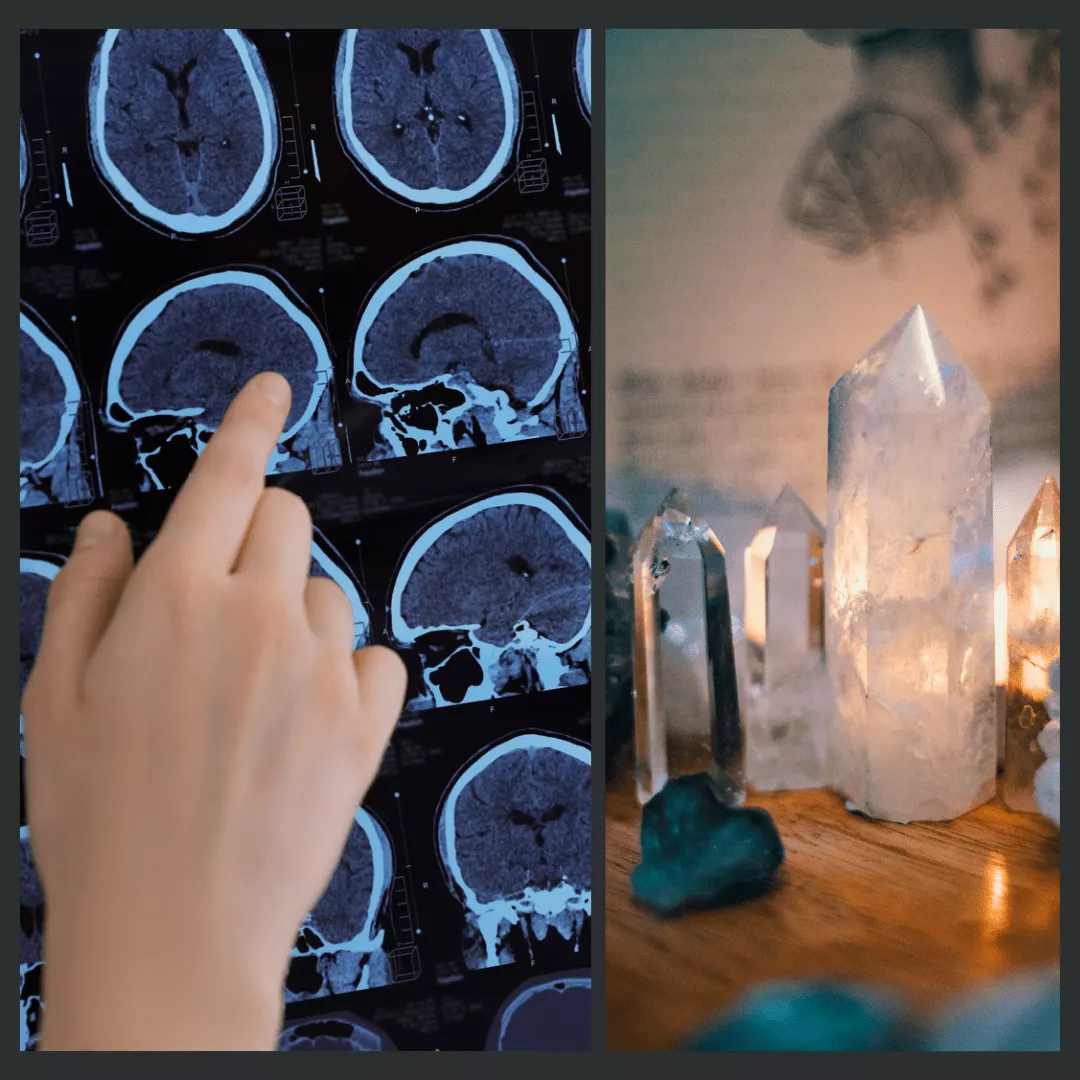
Here’s the honest answer: controlled studies, including a placebo-controlled randomized trial published in CNS Spectrums, found that real crystals didn’t outperform fake ones in reducing anxiety. Participants who felt calmer did so regardless of whether they held a genuine rose quartz or a piece of plastic that looked like one. The calming effect was real; the crystal-specific mechanism wasn’t.
That finding isn’t a reason to dismiss crystal therapy for stress. It’s actually clarifying. The ritual itself does the heavy lifting: the focused attention, the intentional pause, the slower breathing. The crystal is the anchor for that ritual, and anchors work.
Why the ritual is the medicine
When you hold a stone, breathe slowly, and set a clear intention, you’re activating the same relaxation response that other mindfulness practices trigger. Your nervous system doesn’t care whether the object in your hand has metaphysical properties. It responds to the fact that you’ve stopped, focused, and breathed. The crystal becomes a physical cue that interrupts anxious thought loops, and that interruption has real value, consistent with what researchers understand about ritual, cueing, and the placebo effect in stress reduction.
Choosing the right stone still matters, though, because the stone you connect with becomes the consistent sensory anchor that makes the habit stick. A crystal you actually like holding is one you’ll reach for daily.
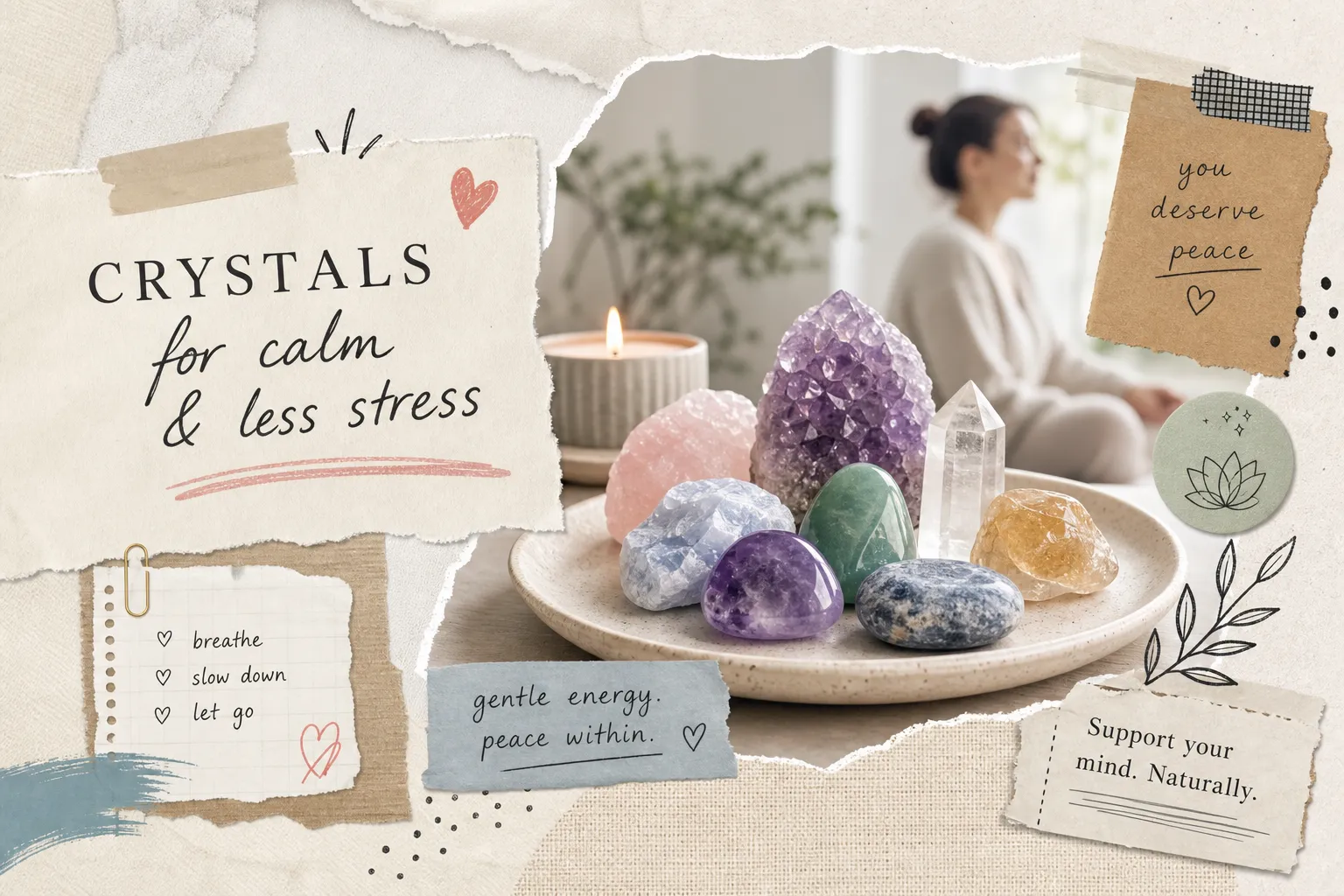
The best calming crystals for anxiety: what each one is known for
Amethyst, lepidolite, and howlite: for racing thoughts and overwhelm
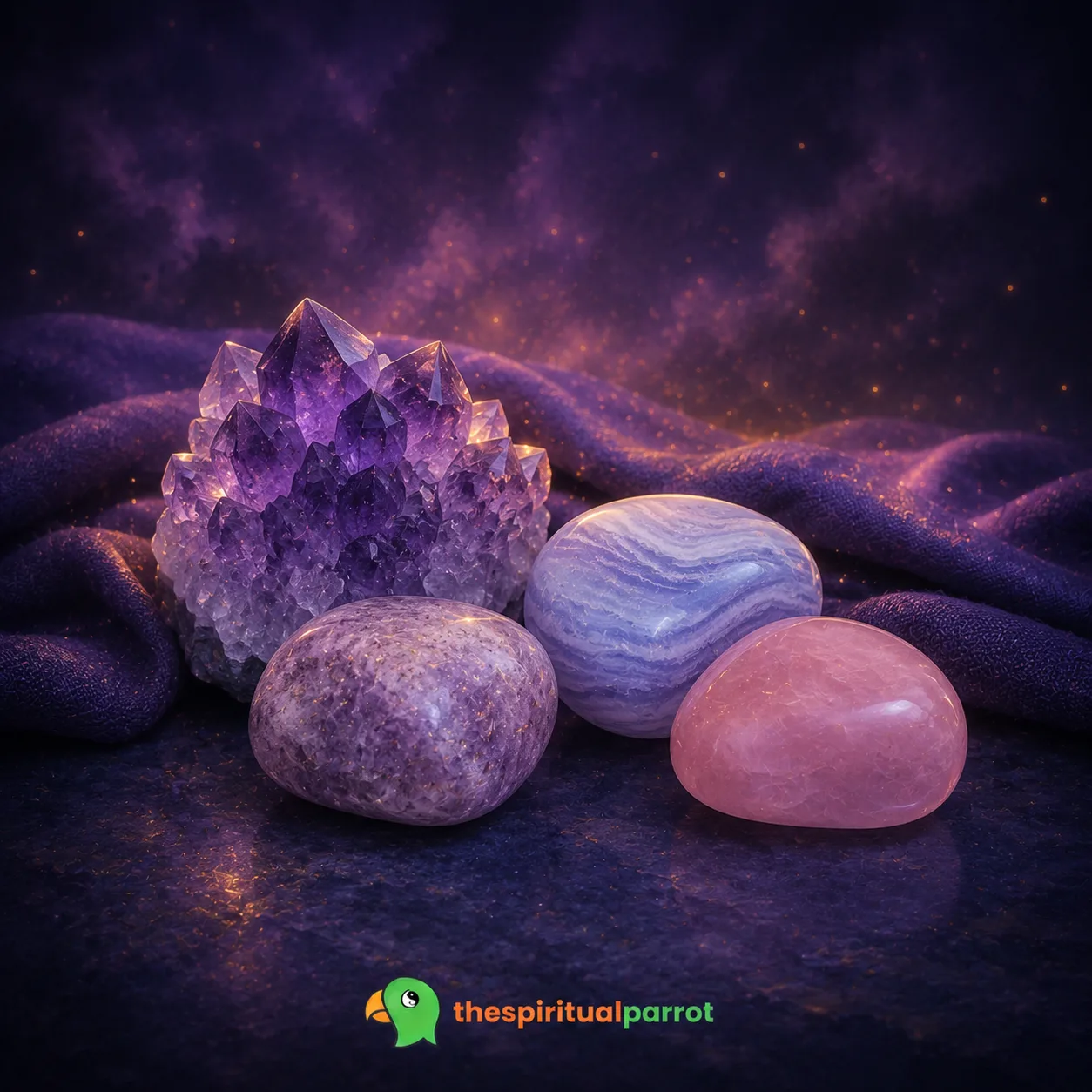
Amethyst is the most widely recommended starting point for stress-related anxiety. In crystal healing traditions, it’s associated with the crown and third eye chakras, commonly used to quiet a racing mind, and especially popular for sleep-related anxiety when placed on the nightstand. Lepidolite brings a stabilizing, emotionally balancing quality that makes it a strong choice for people whose stress shows up as mood swings or overwhelm. Howlite addresses the specific experience of mental chatter: the looping, repetitive thoughts that won’t let you rest.
These three are frequently paired together in crystal healing guides for racing thoughts. If your stress signature is primarily “I can’t turn my brain off,” this combination is commonly recommended as a starting point worth exploring.
Rose quartz: for emotional and relational stress
Rose quartz is heart-centered and gentle, making it a go-to for stress tied to self-criticism, people-pleasing, grief, or relationship anxiety. It’s a core stone in crystals for emotional healing practices. It’s not the stone for someone who needs grounding under pressure, it’s the stone for someone carrying emotional weight they haven’t yet been able to set down. Wear it close to the chest or keep it on your nightstand when you need a softer, more compassionate kind of support.
Blue lace agate: for communication and social stress
Blue lace agate consistently appears in recommendations for communication anxiety and social nervousness. If you dread confrontation, public speaking, or situations where you have to assert yourself, blue lace agate’s soothing, serene quality makes it a natural fit. It’s one of the best crystals for relaxation before high-pressure social situations, and its pale blue color alone tends to have a visually calming effect when kept on a desk or carried in a pocket.
Black tourmaline and smoky quartz: for grounding and protection
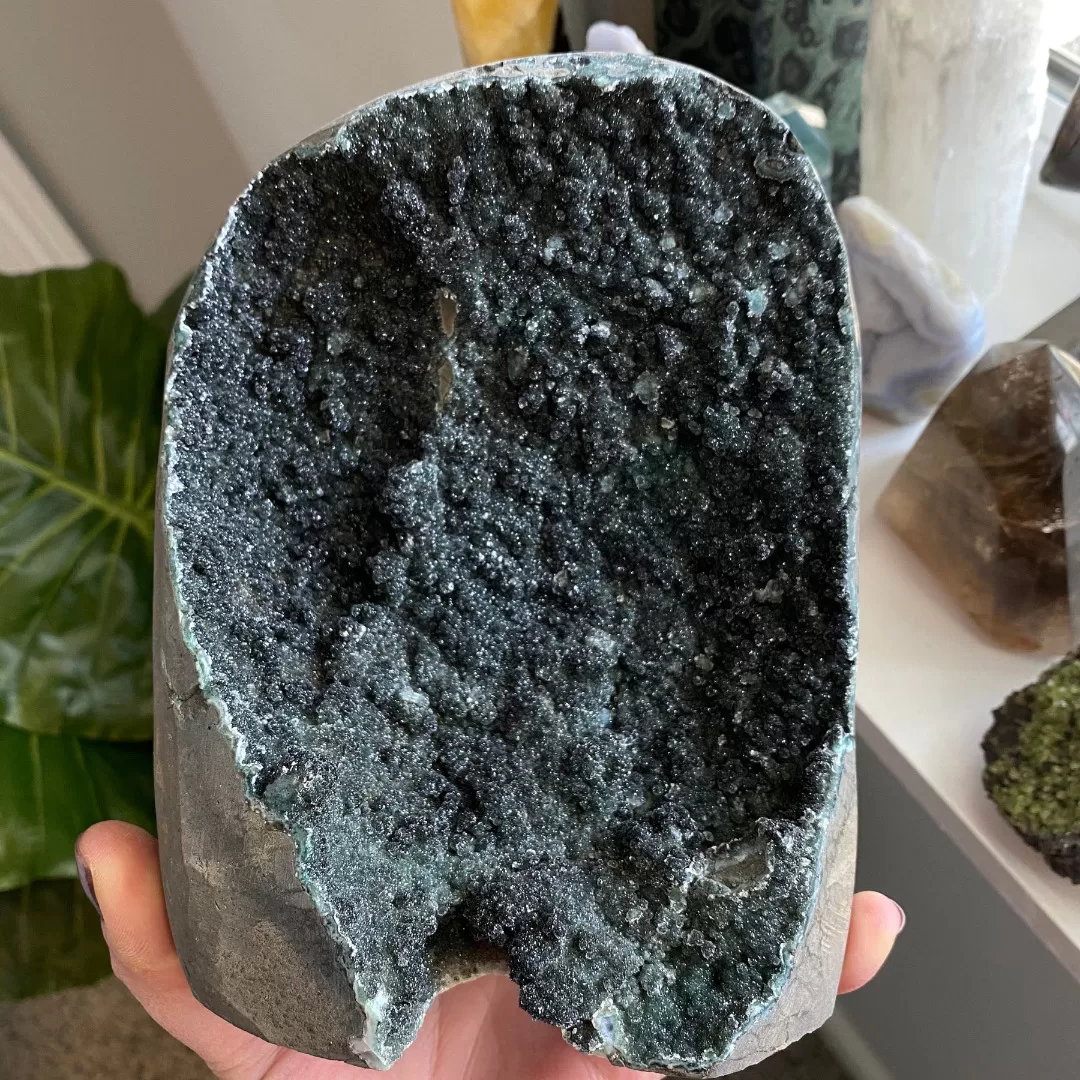
Black tourmaline is the stress-relief gemstone for people who feel overwhelmed by environments: crowded spaces, heavy news cycles, emotionally draining social situations. In crystal healing traditions, it’s considered protective and grounding, associated with the root chakra, and particularly useful for people who tend to absorb stress from their surroundings. Smoky quartz complements it by helping release built-up tension and fear rather than just blocking it. Carried together as a pocket pair, these two stones are one of the most practical combinations for high-stimulation days.
Selenite: for mental clarity and energetic reset
Selenite is a staple in stress-relief crystal work because it’s one of the few stones said to cleanse itself and the stones around it. In practice, it’s used to clear mental fog, settle an overstimulated mind, and create a sense of calm spaciousness. A selenite wand on your desk or nightstand doubles as both a functional tool and a visual reminder to slow down. One note: selenite is water-soluble, so keep it dry and cleanse it with sound or moonlight only.
Citrine: for stress tied to anxiety and low confidence
Citrine is associated with warmth, optimism, and personal power, which makes it useful for the specific kind of stress that comes wrapped in self-doubt or fear of failure. It’s a popular choice for work-related anxiety and performance nerves. Keep a piece on your desk or carry it on days when you need a confidence anchor as much as a calming one.
Lapis lazuli: for stress from overthinking and decision fatigue
Lapis lazuli is linked to the third eye chakra and is frequently recommended for people whose stress is driven by overthinking, analysis paralysis, or a constant sense of mental overwhelm. Its deep blue color has a naturally quieting visual effect, and holding it during a focused breathing exercise can help break the loop of circular thinking. It’s a strong option for professionals who spend most of their day in their head.
Clear quartz: the versatile amplifier
Clear quartz is often called a master healer in crystal traditions because it’s said to amplify the energy of whatever intention or stone it’s paired with. For crystal healing for stress specifically, it’s useful as a support stone in any grid or pairing, and it works as a standalone tool for beginners who aren’t sure yet which direction to go. It’s also one of the most affordable and widely available options, making it an easy first stone to try.
Crystal healing for stress: how to use these stones every day
Carrying and wearing your stone
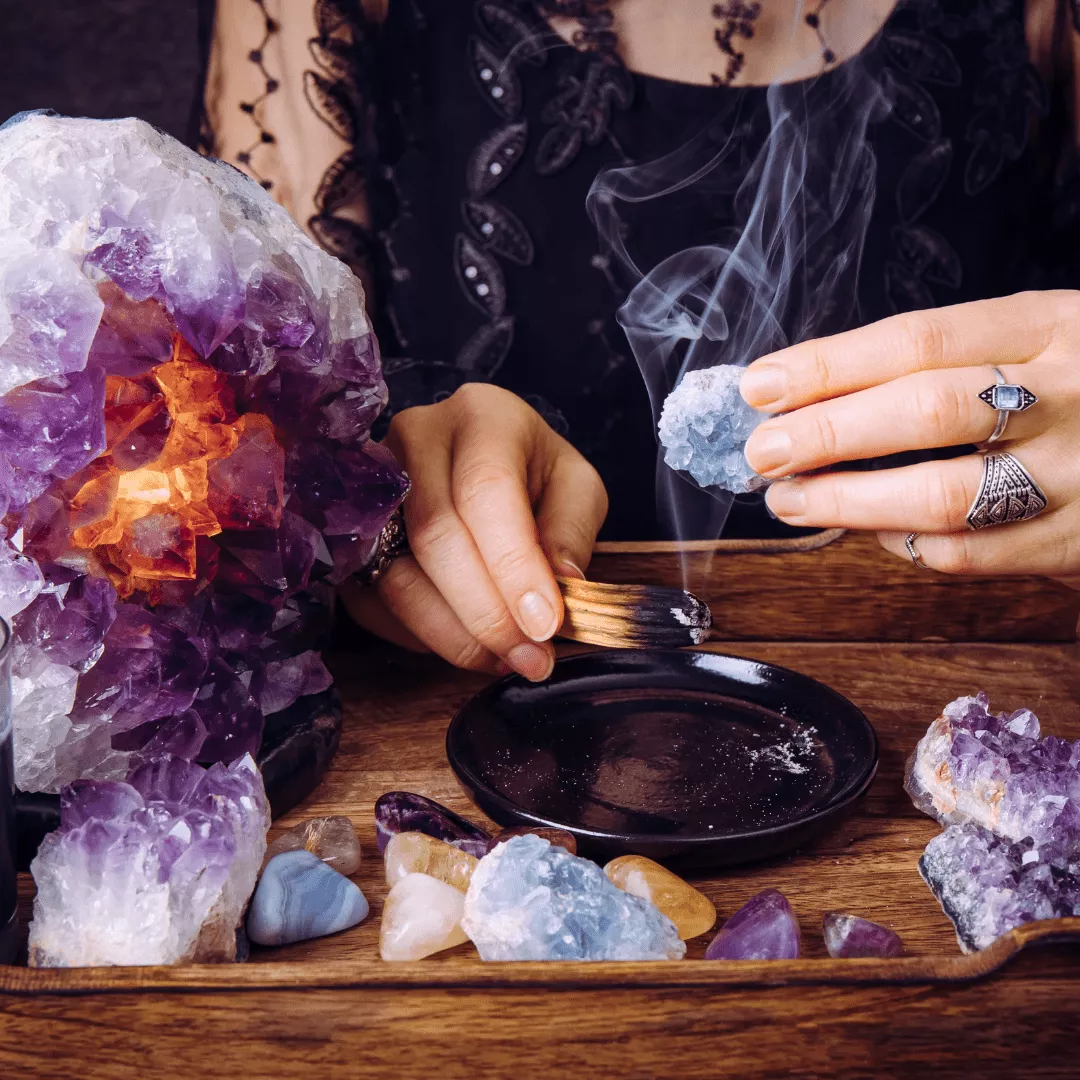
The pocket carry method is the simplest place to start. Cleanse your stone, hold it for a moment, and set a clear, one-word intention: “calm,” “steady,” or “clear.” Put it in your pocket and leave it there. When stress spikes during the day, reach for it, hold it, and take three to five slow breaths. The tactile sensation plus the breathing is the actual mechanism. The stone makes the habit concrete and consistent.
Crystal jewelry, pendants, bracelets, and rings, works on the same principle. Wearing a stone keeps it close and turns it into a touch-triggered cue. The moment you reach for a bracelet during a tense meeting, your nervous system starts to associate that gesture with slowing down.
Meditating with crystals for anxiety and stress
No meditation experience required for this. Sit comfortably, hold the stone in your hand or place it on your chest or forehead, and close your eyes. Breathe slowly and focus on the physical sensation of the crystal: its weight, texture, and temperature. When your mind wanders, bring your attention back to the stone. Five to ten minutes of this is enough to notice a shift. This is the most direct form of crystal therapy for stress, and it doubles as a basic mindfulness practice whether or not the crystal itself has any energetic properties.
Nightstand placement and simple crystal grids
Amethyst or selenite on your nightstand creates a consistent bedtime anchor. The ritual of placing it there before sleep, glancing at it, and taking a few slow breaths becomes part of winding down. For a simple grid, choose amethyst as your center stone, surround it with four to six supporting stones like rose quartz or clear quartz, and place the arrangement somewhere you look at daily: a desk, a windowsill, or a small altar. Activate it by tracing from the center stone outward to each surrounding stone with your finger while holding your intention in mind. The daily visual reminder reinforces your intention even when you don’t formally sit with it.
How to cleanse and recharge your stress-relief crystals
The safest cleansing methods for beginners
Four methods are safe for virtually all stones: sound cleansing using a singing bowl or bell for 30 to 60 seconds; overnight moonlight on a windowsill; a gentle wipe-down with a dry microfiber cloth; and intentional holding where you focus on the stone being cleared and refreshed. These avoid the two common beginner mistakes: water and direct sunlight. Water can dissolve, pit, or damage porous and soft minerals like selenite, lepidolite, calcite, and malachite. Saltwater amplifies that damage. Direct sunlight fades color in stones like amethyst and rose quartz. Unless you’ve confirmed your specific stone is compatible, skip those methods entirely.
How often to cleanse based on how you use them
Frequency depends on how heavily the stone is used. Here’s a straightforward guide:
- Jewelry worn daily: once a week
- Meditation and healing stones: after each session
- Display or nightstand stones: once a month
- Any stone that feels “heavy” or less vibrant: cleanse it sooner
If you want the simplest safe routine, wipe your stone with a soft cloth, run it through singing bowl sound for one minute, and leave it in moonlight overnight once a month. That’s a complete, low-effort approach that works for almost every stone on this list.
How to spot fake crystals and what to look for when buying
Red flags that suggest a stone isn’t authentic
A few visual checks catch most fakes before you buy. Tiny round bubbles inside the stone usually indicate glass. Seam lines or a uniformly smooth, flawless texture suggest molded resin or plastic. Neon or perfectly even color with no variation is a strong sign of dye, especially if darker pigment pools in the cracks and crevices. Real stones also stay cool longer than glass and feel denser in the hand. If a “quartz” can’t scratch glass, it’s suspicious. And if a pack of “rare healing crystals” costs $8 with no labeling, trust that instinct.
What trustworthy sellers actually look like
A reputable crystal shop names each mineral correctly, discloses origin and any treatments, answers sourcing questions directly, and offers returns. Gem shows and specialty shops with knowledgeable staff are stronger starting points than mass-market online marketplaces where sourcing is often opaque. When shopping for crystal packs for anxiety and stress relief specifically, look for clear labeling of each stone’s name, region of origin, and whether it’s natural, treated, or lab-grown. Avoid any pack labeled with vague marketing language like “high-vibration mix” or “sacred energy bundle” with no specific mineral information. If the seller can’t or won’t tell you what’s in the bag, that’s your answer.
Building a simple crystal routine for stress that actually sticks
Start with two stones, not twenty
Beginners who start with a large collection almost always end up using none of them consistently. Choose one stone for daytime carry (black tourmaline or smoky quartz for grounding) and one for nighttime (amethyst or rose quartz for emotional calm). Cleanse both at the start of each week. Set one clear intention for each. Consistency with two stones creates far more benefit than rotating through a collection without a clear purpose behind it.
Making crystal healing for stress part of your daily rhythm
The simplest version of a daily routine looks like this: hold your carry stone for two minutes while drinking your morning coffee, touch it during tense moments at work, and place your nightstand stone before bed. Three touchpoints, no formal ritual required, and no special knowledge needed to start. Once that rhythm feels natural, you can expand into meditation sessions, grids, and chakra-specific pairings. The Spiritual Parrot’s crystal guides are built exactly for that next step, covering specific stone profiles, cleansing comparisons, beginner combinations, and chakra associations in plain language without the overwhelm.
Start small, stay consistent
Stress is real, and what you use to manage it should be practical and sustainable. Crystal healing for stress isn’t a cure, but for many people it becomes a grounding ritual that creates a pause between the trigger and the reaction. That pause is where calm lives, and it’s available to you regardless of your experience level or how skeptical you started out.
If you’re ready to begin, pick one stone from this list, choose one method from the section above, and use it daily for one week. The three most accessible starting points: amethyst for sleep and racing thoughts, rose quartz for emotional weight, and black tourmaline for high-stimulation days. One stone, one method, one week. That’s a real foundation. When you’re ready to go deeper, The Spiritual Parrot has detailed guides on every stone covered here, including chakra pairings, cleansing comparisons, and how to build a beginner collection that actually serves your specific kind of stress.