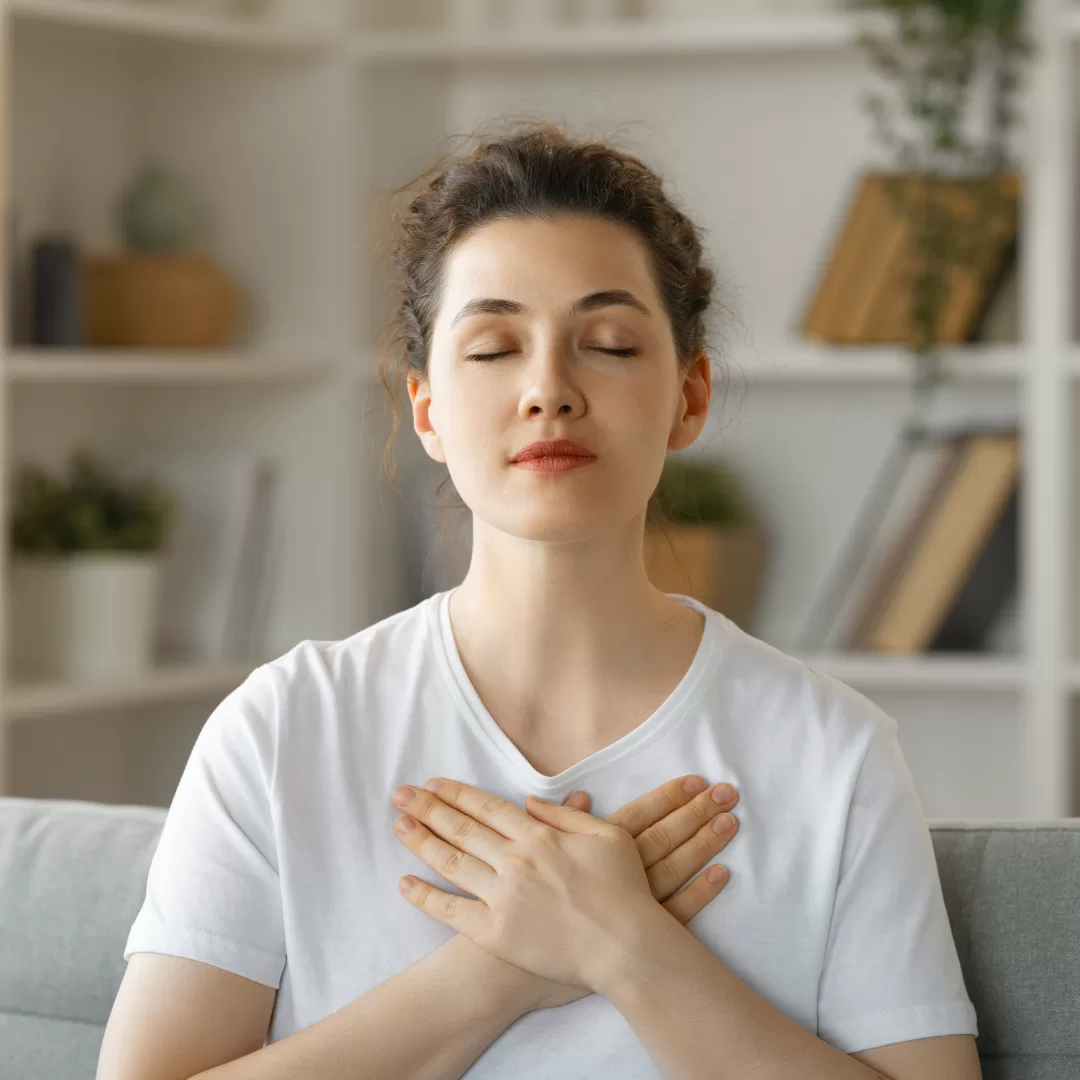
Quick Answer: Breathing techniques reduce stress by engaging the vagus nerve, which activates the body’s relaxation response and lowers stress hormones like cortisol and adrenaline. Deep, rhythmic breathing synchronizes inhales and exhales, shifting the brain towards rational thought and promoting a sense of calm. These practices help manage stress and anxiety by influencing the nervous system and fostering overall well-being.
Breathing techniques are powerful tools to reduce stress and anxiety. Our breath affects the nervous system and can initiate the relaxation response. Deep, diaphragmatic breathing engages our vagus nerve and reduces cortisol and adrenaline levels. Rhythmic breathing synchronizes inhales and exhales, and focuses the brain on rational thinking. Alternate nostril breathing balances the flow of energy in the body. Ancient civilizations incorporated these practices for heightened states of consciousness and well-being, which modern research has proven. So, take a deep breath and lock the door on stress!Understanding Stress and Anxiety
Stress and anxiety are common emotions experienced by many people. They come from various things, like work, relationships, and finances. Knowing about stress and anxiety is key to managing and reducing their effect on our lives.Stress is the body’s answer to a demand or threat. It leads to a chain of physical changes, like an increased heart rate, fast breathing, and muscle tension. Meanwhile, anxiety is when you worry or fear something that’s yet to happen. Occasional stress and anxiety are normal, but too much can be bad for our mental and physical health.Stress and anxiety are subjective. What stresses one person may not stress another. Different people also have different coping mechanisms and levels of resilience to stressful situations. Genetics and past experiences also affect how susceptible someone is to stress and anxiety.Yoga and meditation can help reduce stress and anxiety. A study in the Journal of Clinical Psychology found that 30 minutes of yoga every day can lower the amount of perceived stress and help with mental health.Importance of Managing Stress and Anxiety
Managing stress and anxiety is key to good health. Chronic stress can lead to heart disease and depression, so finding ways to reduce it is important. Deep breathing is a powerful technique that can help. By taking slow, deep breaths, the body’s relaxation response is activated, easing tension and calming you.Diaphragmatic or belly breathing is another way to get relief. It involves taking deep breaths by expanding your diaphragm. It helps oxygen levels, relaxes muscles, and lowers stress hormones.Alternate nostril breathing is a yoga technique to balance energy and relax the mind. You close one nostril and inhale through the other, then switch sides for exhalation. This rhythm helps with relaxation and focus.Set aside a few minutes each day for deep breathing. This trains your body to respond calmly in stressful situations. To enhance relaxation and mental clarity, combine deep breathing with visualization. Picture yourself in a peaceful place or visualize positive outcomes.Prioritizing stress management through proper breathing can improve your well-being and balance your lifestyle. Take charge of your mental health by making these techniques part of your daily routine.
Breathing Techniques for Stress Reduction
The power of deep breaths can’t be overstated when it comes to reducing stress and anxiety. By doing certain breaths regularly, you can find peace and relaxation. Check out these techniques:- Belly Breathing: Inhale deeply, fill your tummy with air, and let it rise. Exhale slowly, releasing any stress or negative vibes.
- 4-7-8 Breathing: Breathe in through your nose for 4, hold your breath for 7, and also exhale through your mouth for 8. Repeat this several times.
- Box Breathing: Visualize a square as you breathe. Inhale for 4, hold for 4, exhale for 4 and hold for 4 before starting the next round.
- Pursed Lip Breathing: Take a deep breath in through your nose, then purse your lips. Exhale slowly through your pursed lips.
- Alternate Nostril Breathing: Cover one nostril with your finger and inhale deeply through the other nostril. Then switch sides and exhale through the other nostril. Repeat.
- Progressive Muscle Relaxation with Breath Counting: As you inhale deeply, tense each muscle one by one. Then exhale fully, consciously relaxing each muscle.
Additional Techniques for Managing Stress and Anxiety
These days, stress and anxiety are common issues many people face. We’ve already talked about how breathing techniques can help reduce stress and anxiety. Here are some other techniques that can be useful:- Exercise Regularly: Physical activity produces endorphins, which make us feel good. Doing regular exercise can help with managing stress and anxiety.
- Practice Mindfulness: Focus on the present moment without judging yourself. Practising mindfulness activities like meditation or yoga can help you relax and reduce stress.
- Get Adequate Sleep: Not getting enough sleep can cause stress and worsen anxiety. Make sure to get enough sleep every day by following a consistent routine.
- Surround Yourself with Support: Being with supportive family and friends, or joining support groups, can give you a sense of belonging and emotional support.
- Do Relaxation Techniques: Techniques such as progressive muscle relaxation or guided imagery can help relax your body and mind, and reduce stress and anxiety.
- Avoid Too Many Stimulants: Consuming too much caffeine or doing other stimulating activities may cause anxiety. Everything is in moderation!
Incorporating Breathing Techniques into Daily Life
Incorporate breathing into your life with these 4 steps!- Morning Ritual: Find a peaceful spot, sit comfortably, and take slow deep breaths. Feel the air fill your lungs and exhale any tension. Do this for a few minutes.
- Mindful Breaks: Throughout the day, pause and take deep breaths. Focus on your breath, observe it, and reset. This can help reduce stress and improve productivity.
- Before Bedtime: Lie down, place one hand on your chest and the other on your abdomen. Inhale slowly while counting to four and exhale slowly while counting to eight. Allow yourself to relax.
- During Stressful Situations: When stressed, pause, breathe deeply, and slowly for a few moments before taking any action. This will help approach challenges with clarity.
Benefits of Regular Practice
Practicing breathing techniques regularly can have many advantages for our well-being. These include:- Better mental health – By doing breathing exercises regularly, we can relax our minds and reduce symptoms of depression and anxiety. It gives us a chance to take a step back from our thoughts and find inner peace.
- Lower levels of stress and anxiety – Deep breathing activates the body’s relaxation response, resulting in lower cortisol levels (the stress hormone) in the body. This leads to a decrease in stress and anxiety.
- Increased clarity and focus – When we concentrate on our breathing during practice, we train ourselves to be more aware of the moment. This enhances cognitive function and increases productivity.
- Enhanced physical relaxation – Breathing exercises help to slow down our heart rate, decrease blood pressure, and relax tense muscles. This helps to ease physical tension and brings a sense of calm throughout the body.
Additional Benefits
Moreover, regular practice augments lung capacity strengthens respiratory muscles, and boosts immunity. These other benefits make breathing techniques an essential tool for sustaining both mental and physical well-being.To get the most out of your breathing practice, it’s important to make a relaxed and quiet environment where there are no distractions. Find a posture that is comfortable but also allows you to fully relax. Begin with deep inhales through your nose (filling your belly) followed by slow exhales through your mouth. Gradually increase the duration of each inhale/exhale cycle as you become more comfortable.Keep in mind that consistency is the key to making the most of regular breathing practice. Aim for at least 10 minutes per day or even more, if possible. Integrating these methods into your daily routine can help you manage stress, reduce anxiety levels, and improve overall well-being. So take a few moments each day to breathe deeply and find your inner calm. Getting professional assistance for your stress and anxiety is like using a GPS when you’re lost in a foreign city – sometimes you just need a local to show you the shortcuts.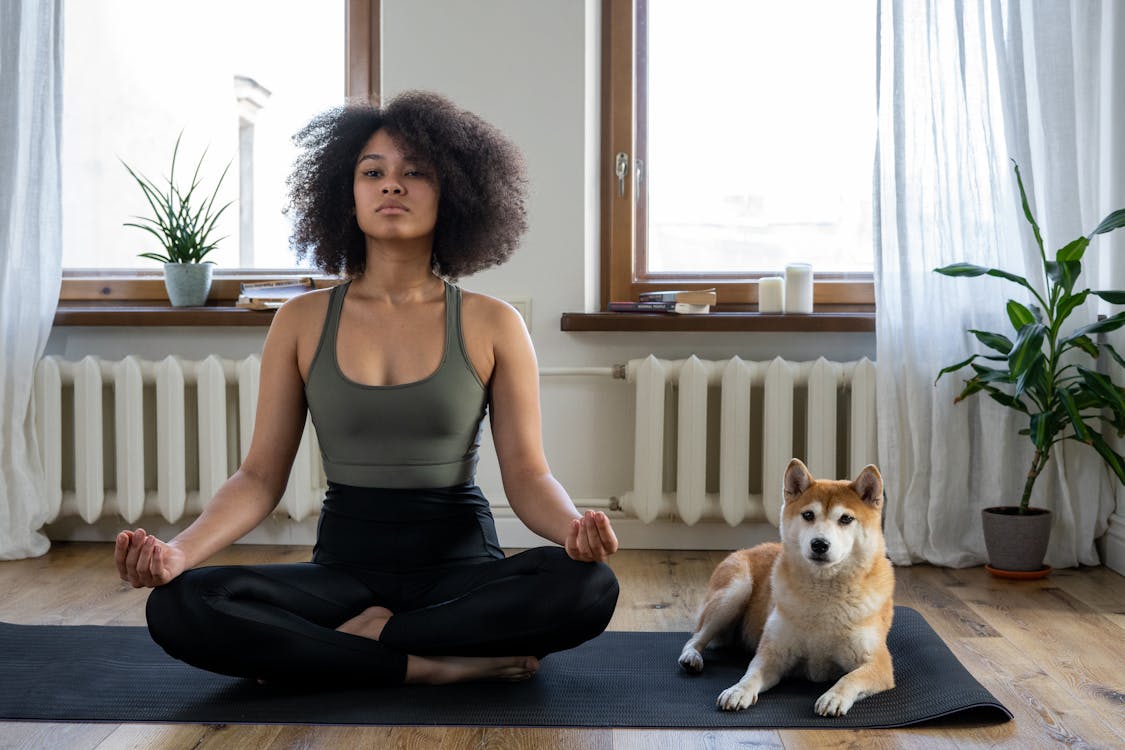
Seeking Professional Help When Needed
Get help when dealing with stress and anxiety! Here’s why:- Trust the expertise: Professionals have the skills and also experience to give advice for managing stress and anxiety.
- Personalized plan: Get help to make a plan customized to your needs, making sure you have the right tools to cope.
- Therapy rocks: Therapy offers a safe and also supportive place to discuss your thoughts, feelings, and behaviors.
- Medication matters: Professionals can also see if you need medicine and guide you on proper usage.